



How Proactive Monitoring Helps Organizations Detect Escalating Threats Before Disaster Strikes
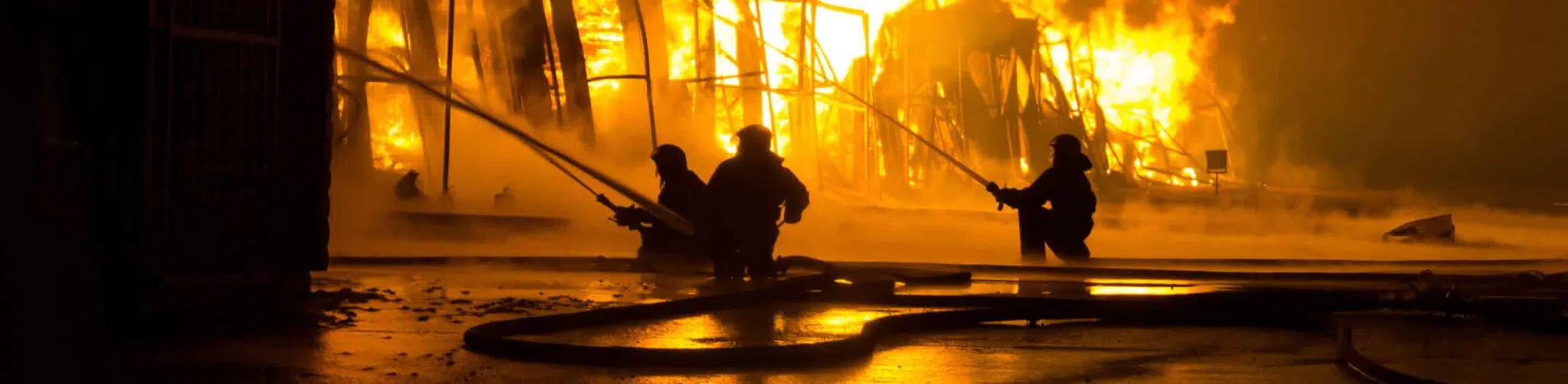
On April 7, 2026, a massive fire destroyed Kimberly-Clark’s 1.2 million-square-foot distribution center in Ontario, California, resulting in an estimated $500 to $600 million in damages and a total loss of the facility. According to reports and Associated Press footage, the fire was intentionally set across multiple ignition points throughout the warehouse.
What makes this incident especially alarming is not just the scale of destruction, but the apparent visibility of intent leading up to the attack.
The footage and subsequent reporting suggest this was not a random act of destruction. It was a deliberate, coordinated event allegedly tied to grievances surrounding wages and corporate inequality. The suspect reportedly operated within the facility’s normal security perimeter, exposing a growing vulnerability many organizations overlook: insider threats.
For security leaders, operations executives, and risk managers, this incident highlights a critical reality. Traditional security systems alone are no longer enough to prevent modern threats.
The Rise of Insider Threats in Commercial and Industrial Security
Historically, physical security strategies focused heavily on external threats such as trespassing, theft, and unauthorized access. But incidents like the Kimberly-Clark fire demonstrate that some of the most dangerous risks originate from individuals already inside the organization.
Modern insider threats often involve:
- Employees or contractors with authorized access
- Behavioral escalation over time
- Public or workplace expressions of grievance
- Coordinated actions designed to overwhelm systems
- Deliberate exploitation of operational blind spots
These incidents are rarely impulsive. In many cases, warning signs appear long before the event itself.
The challenge is that most organizations lack the tools, processes, or monitoring capabilities to identify and act on those indicators in real time.
Where Traditional Security Measures Fall Short
The Kimberly-Clark incident underscores several critical gaps common in conventional security programs.
1. Security Systems Designed for Isolated Events
According to reports, multiple fires were allegedly ignited simultaneously throughout the warehouse. This strategy can quickly overwhelm sprinkler systems and fire suppression infrastructure that are typically designed for isolated incidents rather than coordinated attacks.
When multiple threats occur at once, automated systems alone may not respond fast enough to contain the damage.
2. Limited Behavioral Visibility
Security cameras often serve as passive recording devices rather than proactive intelligence tools. While suspicious behavior may have been visible, organizations frequently lack the operational framework to escalate concerning actions before an incident occurs.
Without active monitoring and behavioral assessment, warning signs remain disconnected observations instead of actionable intelligence.
3. No Immediate Intervention Capability
Traditional surveillance systems typically document incidents after the fact. By the time authorities review footage, the damage is already done.
In fast-moving situations involving fire, sabotage, or violence, response time becomes everything.
How Proactive Security Monitoring Changes the Outcome
Modern organizations need security strategies that move beyond recording events and toward actively identifying and interrupting threats in progress.
That is where proactive monitoring solutions like ECAM create a critical advantage.
Real-Time Behavioral Detection
Live video monitoring allows trained operators and AI-assisted systems to identify suspicious behaviors as they occur, including:
- Unauthorized movement patterns
- Repeated activity in restricted areas
- Coordinated or unusual actions
- Tampering with equipment or inventory
- Escalating behaviors that indicate intent
Instead of simply capturing footage, proactive systems help organizations identify when a situation may be developing into a serious threat.
AI + Human Intelligence
Artificial intelligence can rapidly flag anomalies and suspicious activity, but context matters.
Human operators play a crucial role in assessing intent, verifying threats, and determining the appropriate response. Combining AI-driven analytics with trained monitoring professionals helps close the gap between detection and action.
Immediate Audio Intervention and Escalation
One of the most effective deterrence tools available today is live audio intervention.
The ability to issue immediate warnings, engage individuals directly, and escalate incidents to onsite personnel or first responders can disrupt malicious activity before it escalates into catastrophic loss.
In scenarios involving arson or sabotage, even seconds matter.
Integrated Fire and Security Oversight
Advanced monitoring programs can also integrate with fire detection systems, thermal imaging cameras, and facility-wide security infrastructure to identify developing risks earlier.
Thermal cameras, for example, can help detect abnormal heat signatures before visible flames spread, providing another layer of situational awareness for high-risk environments such as warehouses and distribution centers.
From Reactive Security to Predictive Risk Management
The Kimberly-Clark fire serves as a powerful reminder that many catastrophic incidents are not completely unpredictable.
In many cases, indicators exist beforehand:
- Behavioral changes
- Escalating rhetoric
- Suspicious movement patterns
- Repeated policy violations
- Attempts to test security weaknesses
The challenge is recognizing these indicators early enough to intervene.
Organizations that rely solely on passive surveillance often discover threats only after the damage is irreversible. Proactive monitoring strategies help shift security operations from reactive investigation to real-time prevention.
The Future of Enterprise Security Requires Visibility
Today’s threat landscape is evolving rapidly. Insider threats, workplace grievances, and coordinated acts of sabotage are becoming increasingly complex risks for commercial facilities, warehouses, manufacturing plants, and distribution centers.
Security leaders must ask themselves:
- Are we actively identifying behavioral threats?
- Can we intervene before damage occurs?
- Do we have real-time visibility into escalating risk?
- Are our systems designed for prevention or documentation?
Because ultimately, the difference between prevention and catastrophic loss often comes down to one thing:
How quickly you recognize the threat.
Why Proactive Monitoring Matters
Organizations may not be able to control every employee grievance or prevent every malicious intent.
But they can improve how early they detect risk and how effectively they respond.
Proactive monitoring solutions like ECAM provide organizations with the visibility, intelligence, and intervention capabilities needed to help reduce risk before incidents escalate into major loss events.
In today’s environment, security is no longer just about recording what happened.
It is about recognizing the warning signs before it does.
Build a Stronger Security Strategy

Download Security Guides
Practical ebooks to help you strengthen your security and solve your challenges.

Discover Industry Security Solutions
See how ECAM protects your industry with solutions designed to deter crime, reduce losses, and keep operations moving.