
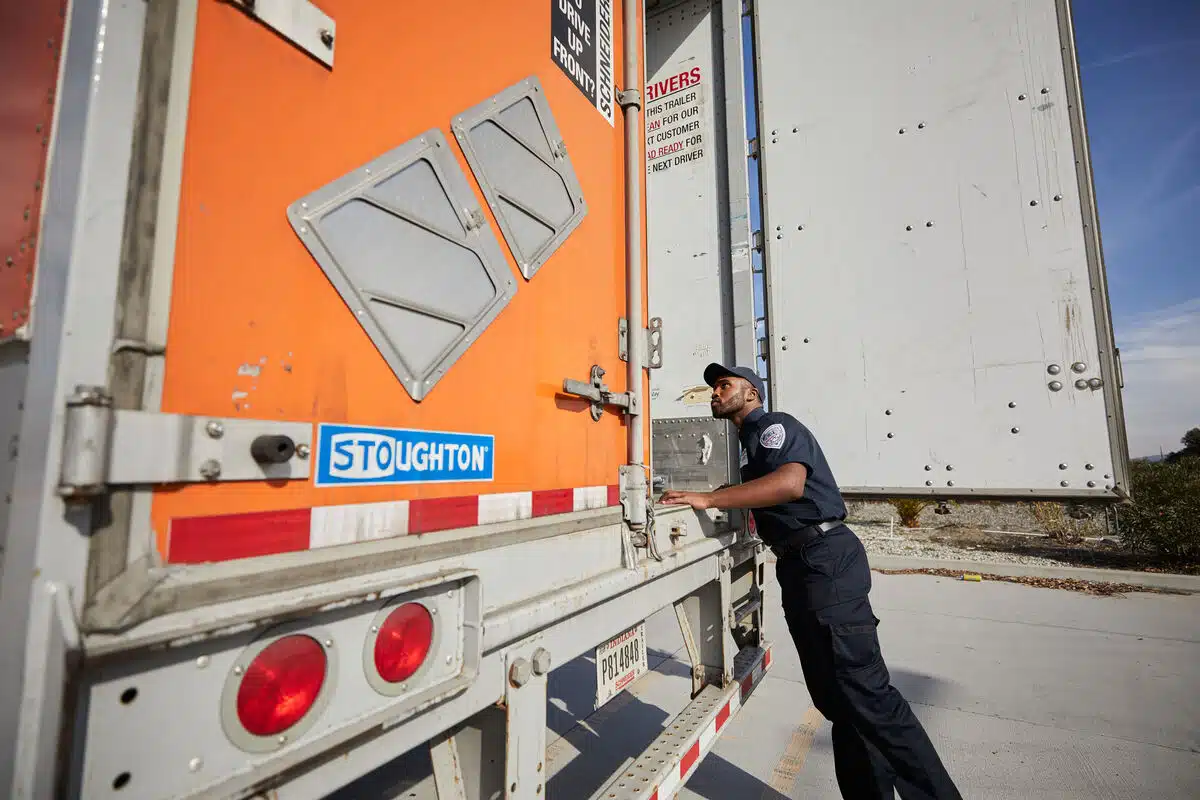



Why AI Infrastructure Security Must Begin Before Equipment Reaches the Data Center
Artificial intelligence is driving one of the largest infrastructure investments in modern history.
Across North America, organizations are building hyperscale data centers, expanding cloud infrastructure, and deploying high-performance computing environments to support the growing demand for AI. But behind every new data center is an equally critical challenge that often receives far less attention:
Protecting the high-value shipments that make AI infrastructure possible.
Advanced semiconductors, networking equipment, electrical components, and specialized computing hardware represent some of the most valuable cargo moving through today’s supply chains. As demand continues to outpace supply, these mission-critical shipments have become increasingly attractive targets for organized cargo theft, fraud, and supply chain diversion.
Protecting AI infrastructure no longer begins at the data center.
It begins the moment those assets leave the manufacturer.
Why Mission-Critical Shipments Face Growing Security Risks
Building modern AI infrastructure requires thousands of high-value components to move through a complex logistics network before reaching their final destination.
Along the way, shipments may pass through:
- Manufacturing facilities
- Ports
- Distribution centers
- Staging yards
- Transportation hubs
- Temporary storage locations
- Data center construction sites
Every transfer creates another opportunity for theft, tampering, or operational disruption.
Common risks include:
- Cargo theft
- Trailer theft
- Unauthorized access
- Shipment delays
- Chain-of-custody failures
- Equipment tampering
For organizations building AI infrastructure, even a single stolen trailer or delayed shipment can affect construction schedules, commissioning timelines, contractual obligations, and project costs.
Why Traditional Shipment Tracking Falls Short
Many organizations rely on GPS tracking to monitor high-value shipments.
While location tracking provides useful information, it only answers one question:
Where is the shipment?
It does not answer equally important questions, such as:
- Is someone attempting to access the trailer?
- Is the shipment secure during overnight stops?
- Has unauthorized activity occurred around the vehicle?
- Is the chain of custody still intact?
Knowing where a shipment is located is valuable.
Knowing what is happening around it is what helps prevent loss.
The Shift From Shipment Tracking to Shipment Intelligence
Modern supply chain security requires more than location visibility.
Organizations increasingly need real-time intelligence that combines logistics tracking with proactive physical security.
Effective shipment security strategies may include:
- Live video verification
- Remote visual inspections
- Trailer activity monitoring
- License Plate Recognition (LPR)
- Intrusion detection
- Centralized security oversight
Together, these technologies provide operational awareness that extends beyond GPS coordinates and supports faster decision-making when suspicious activity occurs.
How Proactive Monitoring Strengthens Mission-Critical Shipment Security
As AI infrastructure projects become larger and more geographically distributed, organizations are adopting layered security strategies that provide continuous visibility throughout the transportation process.
Proactive monitoring helps organizations protect:
- Mission-critical trailers
- Temporary storage yards
- Logistics hubs
- Staging locations
- Construction laydown yards
- High-value equipment awaiting installation
Rather than waiting for a shipment to arrive, or fail to arrive, security teams gain real-time awareness of developing threats while assets remain in transit.
Supporting Chain of Custody Throughout the Supply Chain
One of the most important aspects of shipment security is maintaining accountability as assets move between locations and organizations.
Continuous monitoring can help organizations:
- Verify chain of custody
- Detect unauthorized access attempts
- Reduce cargo theft
- Monitor temporary storage areas
- Support investigations with documented video evidence
- Improve insurance and claims documentation
This added visibility helps reduce uncertainty during transportation while strengthening overall supply chain resilience.
Why AI Infrastructure Requires AI-Driven Physical Security
The infrastructure supporting artificial intelligence represents billions of dollars in investment and plays an increasingly important role in national economies, enterprise operations, and digital innovation.
Protecting those assets requires security strategies that evolve alongside the technology itself.
Organizations are increasingly combining:
- AI-powered video analytics
- Live remote monitoring
- Centralized command centers
- Intelligent intrusion detection
- Mobile surveillance solutions
- Human verification and intervention
This layered approach helps reduce theft, improve situational awareness, and protect mission-critical assets before operational disruptions occur.
The Future of Shipment Security Is Continuous Visibility
As investment in AI infrastructure continues to accelerate, organizations can no longer rely solely on traditional shipment tracking.
Mission-critical shipment security requires continuous visibility into both where assets are located and what is happening around them throughout their journey.
Organizations that combine logistics intelligence with proactive physical security will be better positioned to reduce operational disruption, protect valuable infrastructure, and keep critical projects on schedule.
Because when a single shipment may contain millions of dollars in technology, knowing its location is only part of the equation.
The real advantage comes from knowing when something isn’t right, before the shipment disappears.
Build a Stronger Security Strategy

Download Security Guides
Practical ebooks to help you strengthen your security and solve your challenges.

Discover Industry Security Solutions
See how ECAM protects your industry with solutions designed to deter crime, reduce losses, and keep operations moving.