
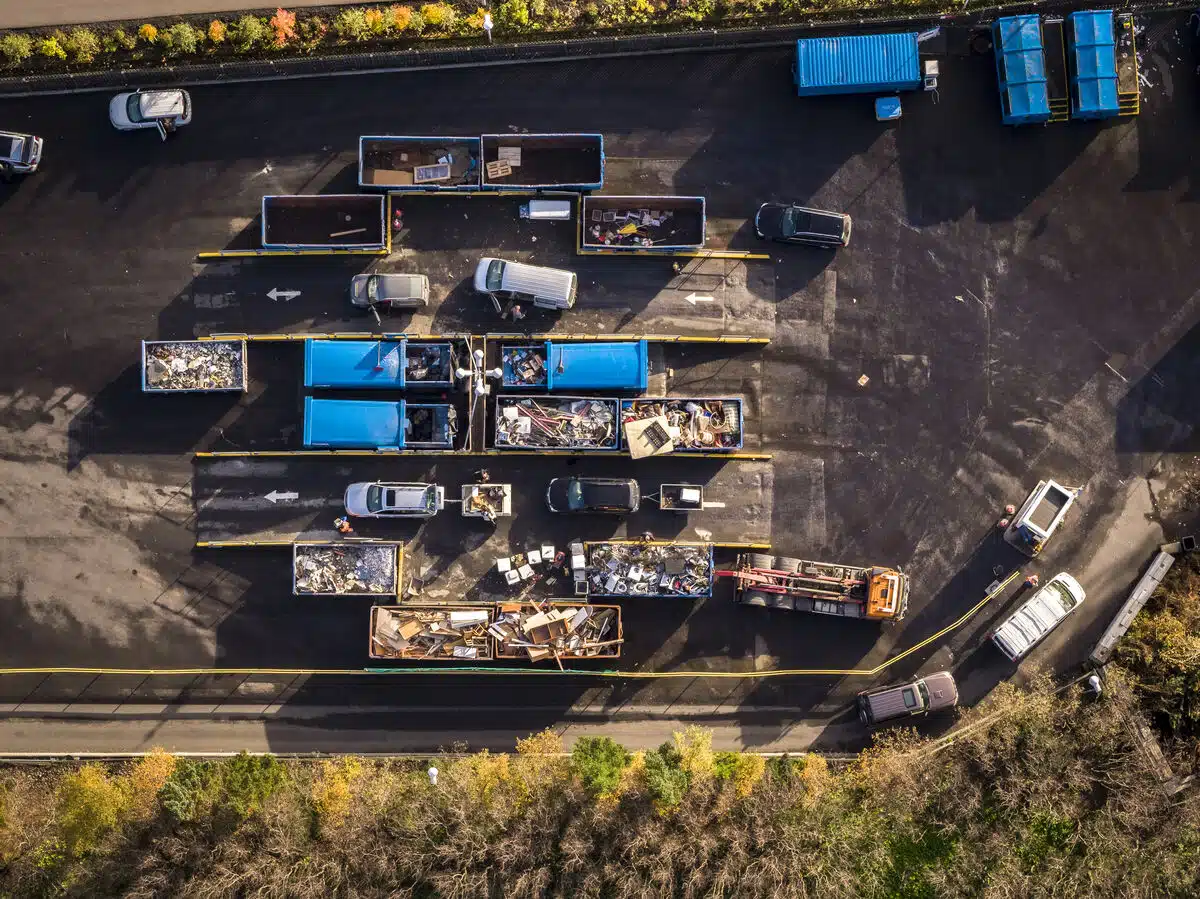



Why Scrap Operations Have Become a Critical Supply Chain Security Concern
Most organizations invest heavily in protecting inbound materials, finished inventory, and outbound shipments.
But one of the most overlooked risks in the supply chain often exists at the very end of the process: scrap disposal.
In manufacturing, distribution, retail, and logistics environments, scrap operations are frequently treated as routine operational functions rather than security-critical processes. However, as reverse logistics, product returns, recalls, and secondary marketplaces continue expanding, scrap disposal has become a growing source of brand exposure, compliance risk, and financial liability.
For many organizations, the issue is not simply material loss.
It is the loss of visibility and control over products once they leave the facility.
Why Scrap Disposal Creates Significant Brand Risk
When organizations think about supply chain security, they often focus on preventing theft or unauthorized access during active operations.
But scrap environments introduce a different type of vulnerability.
Products designated for destruction, disposal, or recycling may still carry significant value, including:
- Branded packaging
- Restricted products
- Defective merchandise
- Recalled inventory
- Expired goods
- Proprietary materials
- Sensitive components
Without proper oversight, these materials can reenter secondary markets, creating serious operational and reputational consequences.
Potential risks include:
- Defective or recalled products being resold
- Unauthorized distribution of branded goods
- Regulatory violations
- Consumer safety incidents
- Counterfeit market activity
- Fraud and internal collusion
- Public relations and brand damage
In many cases, organizations do not discover the issue until products surface publicly.
Where Scrap Disposal Processes Break Down
Scrap operations often involve multiple vendors, staging areas, transportation providers, and disposal workflows.
This complexity creates several common security gaps.
Limited Visibility During Material Transfers
Once materials move into scrap zones or leave the facility, organizations often lose real-time oversight.
This creates blind spots during some of the highest-risk custody transfer moments.
Heavy Reliance on Documentation and Vendor Reporting
Many organizations depend on certificates of destruction, paperwork, or periodic audits to confirm disposal activity.
But documentation alone cannot verify what actually occurred.
If oversight is limited, certificates may reflect assumptions rather than reality.
Fragmented Accountability
Scrap management responsibilities are often divided across operations, quality assurance, compliance, and security teams.
Without centralized visibility, inconsistencies and process failures become harder to detect.
Minimal Monitoring in Scrap Zones
Scrap staging areas, loading docks, trailers, and waste collection points frequently receive less security attention than active inventory areas despite presenting significant exposure risk.
The Real Problem: Lack of Visibility at Critical Moments
The greatest vulnerabilities in scrap disposal occur during specific operational moments, including:
- When materials are staged for disposal
- When products are loaded into trailers or containers
- During vendor pickup and transfer
- During after-hours activity
- When custody changes hands
These are the points where organizations need the most visibility but often have the least.
Traditional security measures typically focus on perimeter protection and general surveillance rather than continuous operational verification within scrap workflows.
Why Organizations Are Rethinking Scrap Security
As supply chain risks evolve, organizations are beginning to recognize that scrap disposal is not simply a waste management issue.
It is a brand protection and operational intelligence issue.
Leading companies are increasingly treating scrap zones as high-risk environments that require:
- Continuous monitoring
- Real-time verification
- Stronger auditability
- Centralized oversight
- AI-assisted anomaly detection
- Documented chain-of-custody processes
This shift is helping organizations move from reactive investigations to proactive risk prevention.
How Proactive Monitoring Improves Scrap Disposal Security
Modern monitoring solutions help organizations gain real-time visibility into scrap operations that historically operated with limited oversight.
By combining AI-driven analytics with live monitoring, organizations can strengthen accountability across every stage of the disposal process.
Key capabilities may include:
Real-Time Scrap Zone Monitoring
Continuous monitoring helps security teams oversee:
- Scrap staging areas
- Loading activity
- Vendor interactions
- Trailer movement
- Restricted access zones
This visibility helps identify suspicious behavior before materials leave the facility.
Video Verification of Material Handling
Organizations can visually confirm what is actually being removed, loaded, or transferred rather than relying solely on paperwork or verbal confirmation.
This creates stronger operational accountability and investigative support if issues arise later.
AI-Driven Anomaly Detection
AI-powered analytics can help identify:
- Unauthorized access
- After-hours movement
- Unusual loading activity
- Unexpected vehicle presence
- Deviations from standard workflows
These alerts help security teams intervene earlier and reduce the likelihood of unnoticed exposure.
Audit and Compliance Support
Time-stamped video records provide objective evidence that supports:
- Compliance investigations
- Vendor accountability
- Chain-of-custody verification
- Regulatory reporting
- Internal audits
This reduces reliance on assumptions and improves overall operational transparency.
Scrap Disposal Is Now a Brand Protection Strategy
Organizations leading in supply chain security are recognizing that risk does not end when a product is written off.
If defective, restricted, or branded materials reenter the market, the consequences can extend far beyond the facility itself.
That is why more organizations are:
- Embedding security into disposal workflows
- Increasing oversight of third-party vendors
- Expanding monitoring into scrap operations
- Leveraging AI and centralized monitoring
- Treating scrap handling as a critical control point
Because once products reappear in the public market, the damage is no longer contained internally.
The Future of Scrap Security Requires Visibility and Verification
Scrap disposal has become one of the least visible yet highest-risk areas in modern supply chains. Organizations can no longer afford to rely solely on paperwork, audits, or assumptions to manage disposal activity. They need continuous visibility, operational intelligence, and verifiable oversight throughout the entire process.
Proactive monitoring solutions help transform scrap operations from a blind spot into a monitored, auditable, and controlled part of the supply chain. Because protecting your brand does not end when a product leaves inventory. It ends when you know exactly where it went.
Build a Stronger Security Strategy

Download Security Guides
Practical ebooks to help you strengthen your security and solve your challenges.

Discover Industry Security Solutions
See how ECAM protects your industry with solutions designed to deter crime, reduce losses, and keep operations moving.