
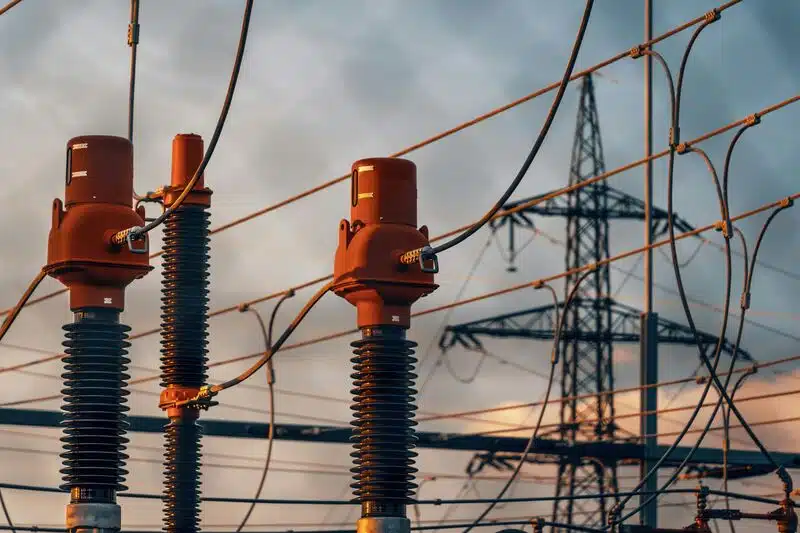



Energy infrastructure has never been more distributed.
Utilities and energy providers are responsible for substations, transmission facilities, solar farms, battery energy storage systems, remote operations yards, and other critical assets spread across hundreds, or even thousands, of square miles. Many of these sites operate around the clock with little or no permanent on-site staff.
That creates a challenge that extends beyond traditional security.
You can’t physically be everywhere at once.
For many energy organizations, that’s the real issue. The goal isn’t simply preventing theft or vandalism. It’s maintaining visibility across a network of critical infrastructure so operators can recognize problems early, respond appropriately, and keep essential services running.
This is why more utilities are investing in energy security camera solutions, not simply to add cameras, but to extend operational awareness across remote assets.
Energy Infrastructure Wasn’t Built for Constant Oversight
Unlike many commercial facilities, energy operations don’t exist within a single property.
Critical assets are intentionally dispersed to deliver reliable power across entire regions. While that distribution strengthens the grid, it also makes day-to-day oversight more challenging.
Remote substations may sit miles from the nearest operations center. Solar installations can cover hundreds of acres. Battery storage facilities often operate in isolated locations. Transmission corridors stretch across difficult terrain that isn’t practical to patrol continuously.
Even the most experienced operations teams cannot maintain a physical presence at every site.
As infrastructure continues to expand, maintaining visibility becomes just as important as maintaining the assets themselves.
Remote Assets Create Operational Blind Spots
Distance creates uncertainty.
When teams cannot easily see what’s happening across their infrastructure, even routine situations become more difficult to assess.
Is a maintenance contractor on site?
Has a vehicle entered a restricted area?
Is equipment being accessed by authorized personnel?
Has weather created unexpected conditions?
Has unauthorized activity occurred overnight?
Without timely information, operations teams often have only two choices: dispatch personnel to investigate or wait until someone discovers an issue during the next scheduled visit.
Neither approach is ideal.
The longer uncertainty remains, the greater the potential for operational disruption.
Small Incidents Can Have Big Operational Consequences
Not every incident begins as a major event.
Copper theft may start with a single individual entering a substation after hours.
Unauthorized vehicles can access remote facilities without immediately drawing attention.
Vandalism may damage fencing or equipment long before anyone notices.
At solar installations, repeated trespassing can create safety concerns, interrupt maintenance schedules, or damage valuable infrastructure.
Individually, these events may appear isolated.
Collectively, they consume resources, delay operations, increase maintenance costs, and divert attention away from the work required to maintain reliable service.
For utilities, the objective isn’t simply preventing crime.
It’s minimizing unnecessary interruptions that affect the broader operation.
Visibility Changes How Utilities Respond
This is where modern energy security camera solutions provide value beyond traditional surveillance.
Instead of relying solely on scheduled inspections or reviewing recorded footage after an incident, operators gain greater awareness of what is happening across remote infrastructure as conditions develop.
Energy security camera monitoring allows organizations to maintain visibility across substations, service yards, renewable energy facilities, and other critical assets without requiring personnel to remain on site.
That additional awareness helps teams make informed decisions, prioritize resources, and respond more efficiently when situations require attention.
Ultimately, the technology supports operations, not just security.
Live Monitoring Extends Operational Awareness
Recording video is valuable for documenting events.
Energy live security camera surveillance adds another layer by helping organizations recognize situations while there is still an opportunity to respond.
AI-assisted analytics continuously evaluate activity across the property, while trained monitoring professionals determine whether observed events require intervention based on established response procedures.
Together, technology and human expertise help reduce unnecessary alerts while ensuring meaningful activity receives appropriate attention.
Whether protecting a traditional utility substation or deploying a solar energy security camera solution across a renewable energy site, the objective remains the same: provide operators with the awareness they need to keep infrastructure running reliably.
This is also why many organizations evaluating an energy security guard replacement discover that the conversation isn’t about eliminating personnel. Instead, it’s about using technology and live monitoring to extend visibility across locations where permanent guard coverage may not be practical, allowing on-site resources to focus where they create the greatest operational value.
Security Is Really About Infrastructure Resilience
Reliable energy depends on more than equipment.
It depends on knowing what’s happening across an increasingly complex network of assets.
Modern energy security camera solutions help utilities move beyond reactive security by providing greater visibility into remote infrastructure, supporting faster decision-making, and helping operations teams stay focused on maintaining service continuity.
Because protecting critical infrastructure isn’t simply about responding when something goes wrong.
It’s about having the awareness to keep essential operations moving before disruptions occur.
Build a Stronger Security Strategy

Download Security Guides
Practical ebooks to help you strengthen your security and solve your challenges.

Discover Industry Security Solutions
See how ECAM protects your industry with solutions designed to deter crime, reduce losses, and keep operations moving.