
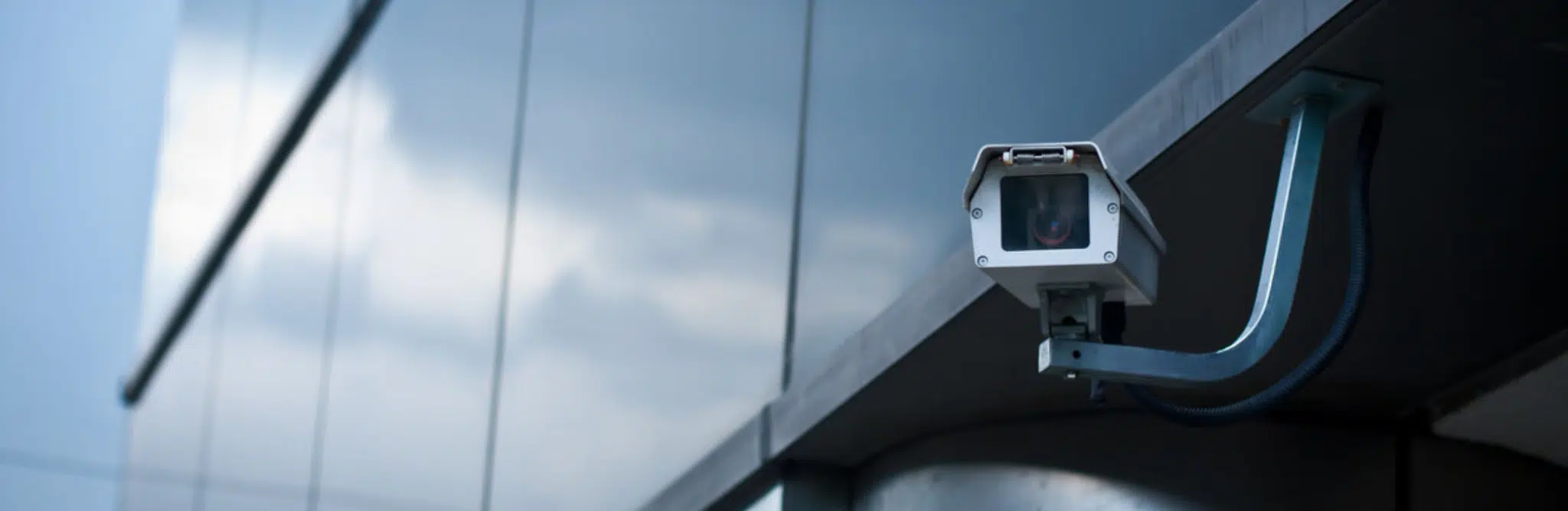



For most businesses, installing cameras is not the challenge. Choosing the right system is.
Many organizations already have some form of surveillance in place. Cameras are mounted, footage is recorded, and coverage exists across key areas of the property. Yet when incidents occur, the same questions tend to surface. Was the coverage sufficient? Was the activity actually observed? Could the situation have been addressed earlier?
These questions point to a larger issue. Selecting a commercial security camera system is not simply about equipment. It is about how that system supports visibility, awareness, and response within a real operating environment.
The difference between a system that captures footage and one that actively supports security often comes down to how it is designed from the beginning.
Start With the Environment, Not the Equipment
One of the most common mistakes in selecting commercial security systems is focusing too early on the hardware.
Resolution, storage, and camera types all matter, but they are secondary to understanding how the environment functions day to day.
Every business operates differently. Some rely on controlled access points, others manage large outdoor areas, and many operate across multiple locations with varying levels of activity. Movement patterns, peak hours, and operational workflows all influence how a system should be designed.
Before selecting a commercial security camera system, it is important to consider:
- How people, vehicles, or materials move through the space
- Where visibility is consistent and where it breaks down
- Which areas carry higher risk or limited supervision
- When activity is most concentrated and when it is reduced
Designing around these realities ensures that the system reflects how the environment actually operates, not just where cameras can be placed.
Coverage Is Only the Starting Point
Once the environment is understood, the next step is establishing coverage.
Commercial security cameras should provide visibility across entrances, exits, high-traffic areas, and locations where assets or activity require oversight. In many environments, this includes both interior and exterior spaces, as well as areas that may not be easily covered by fixed infrastructure alone.
However, coverage alone does not define an effective system. It is possible to have broad visibility across a property and still lack a clear understanding of what is happening in real time. Footage may exist, but without context or observation, it does little to influence outcomes.
A well-designed commercial surveillance system ensures that coverage supports visibility, but also considers how that visibility will actually be used.
Consider How the System Will Be Monitored
One of the most important, and often overlooked, aspects of choosing a commercial security camera system is how it will be monitored.
In many organizations, systems are installed with the assumption that someone will review footage if something goes wrong. In practice, live feeds are rarely observed consistently, and responsibility for monitoring is often unclear. This creates a gap between visibility and awareness.
When evaluating commercial security camera systems, it is worth asking:
- Who is responsible for actively observing the system?
- When is monitoring taking place, and when is it not?
- How are potential incidents identified in real time?
Incorporating remote video monitoring changes the role of the system entirely. Instead of functioning primarily as a record, it becomes a tool for identifying and responding to activity as it happens.
Think Beyond Cameras: How the System Is Managed Over Time
Another important consideration is how the system will be supported once it is in place.
Many organizations build their security setup in stages. Cameras may be installed first, monitoring added later, and additional components introduced as needs evolve. While this approach can work, it can also introduce complexity over time.
When different parts of the system are managed by separate providers, even small issues can become difficult to resolve. Determining whether a problem is related to hardware, connectivity, or monitoring can involve multiple teams and delayed response.
Choosing a provider that can support a broader commercial security system, including cameras, monitoring, mobile surveillance units, and ongoing maintenance, can simplify this process. It creates clearer accountability and ensures that the system is designed to function as a cohesive whole.
This does not need to be the starting point, but it is an important factor to consider when thinking about long-term performance and support.
Align the System With Daily Operations
Security systems are most effective when they align with how a business actually operates.
This means considering not only where cameras are placed, but how they support the flow of activity within the environment.
In some cases, this may involve monitoring access points during peak hours. In others, it may mean maintaining visibility across large outdoor areas or adapting coverage as operations shift throughout the day.
A commercial security camera system that reflects these patterns is more likely to provide meaningful visibility, rather than simply broad coverage.
Plan for Change Over Time
Commercial environments are constantly evolving. Layouts change, operations expand, and new risks emerge. A system that works well at the time of installation may become less effective as conditions shift.
When selecting commercial security systems, it is important to consider how adaptable the system will be over time. This may include expanding coverage, integrating additional monitoring capabilities, or incorporating mobile surveillance solutions where fixed infrastructure is not practical.
Planning for change ensures that the system continues to provide value as the environment evolves.
Choosing a System That Supports Awareness
At its core, the goal of a commercial security camera system is not simply to record activity, but to support awareness.
This requires more than cameras alone. It requires thoughtful design, clear monitoring strategies, and a system that can adapt alongside the environment it supports.
Commercial security camera systems that are built with this approach in mind are better positioned to provide consistent visibility, faster response, and a stronger foundation for security over time.
The right system is not just what you install. It is how it performs over time.
Choosing a commercial security camera system means thinking beyond cameras and considering how coverage, monitoring, and long-term support come together.
Speak with an expert to explore how to design a commercial security system that fits your environment.
Build a Stronger Security Strategy

Download Security Guides
Practical ebooks to help you strengthen your security and solve your challenges.

Discover Industry Security Solutions
See how ECAM protects your industry with solutions designed to deter crime, reduce losses, and keep operations moving.