
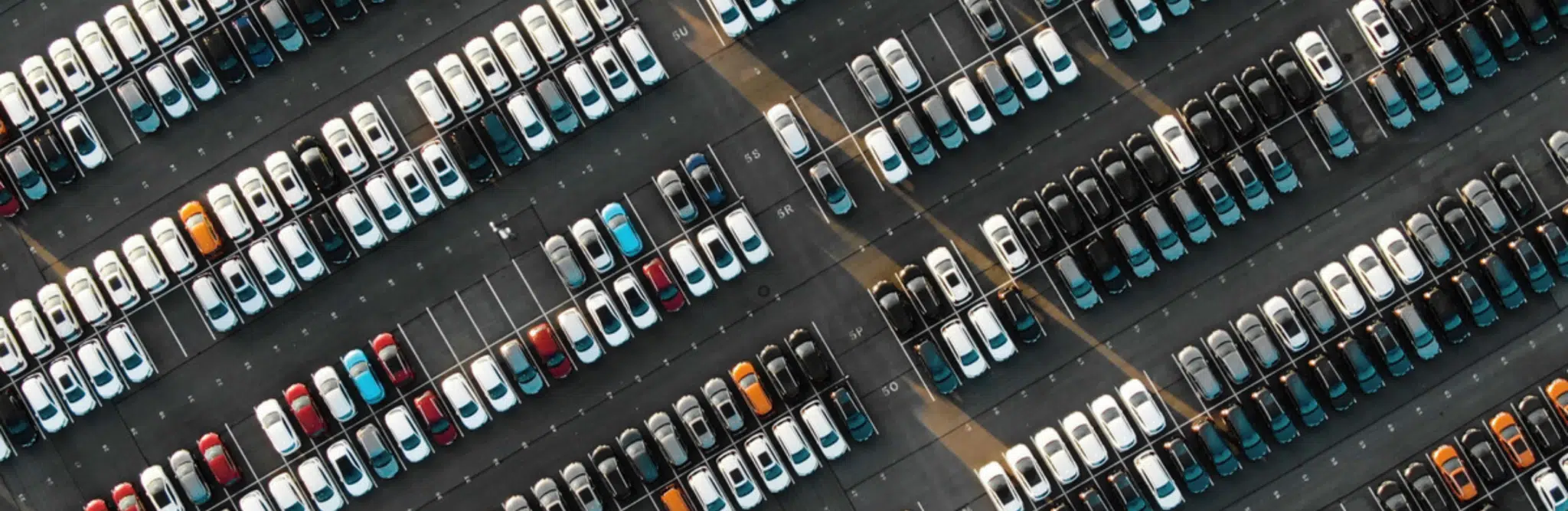



Parking lots are often designed to look secure.
Lighting is installed across the property. Cameras are mounted on buildings or poles. In some cases, security guard services patrol the area at scheduled intervals. From a distance, the environment suggests that risk is controlled and visibility is in place.
And yet, incidents continue to occur.
Vehicle break-ins, property damage, and liability events remain common, even in lots that appear well protected. The issue is not always the absence of security. It is the assumption that visibility alone is enough.
In reality, the gap between seeing a space and actively understanding what is happening within it is where most parking lot security issues begin.
Parking lot security cameras are a critical part of closing that gap, but only when they are used as part of a more proactive approach.
When Cameras Are Present but Awareness Is Missing
Most parking lots today already have some level of surveillance in place.
Cameras are installed to provide coverage across entrances, drive lanes, and parking rows. Footage is recorded and stored, often for use in investigations after an incident occurs.
From a technical standpoint, visibility exists.
But visibility alone does not create awareness.
In many cases, activity unfolds in real time without being observed. Individuals move between vehicles, incidents occur quickly, and by the time footage is reviewed, the opportunity to intervene has already passed.
Security cameras for parking lots are often treated as documentation tools rather than active components of a security strategy. As a result, they capture events without influencing outcomes.
Why Parking Lot Incidents Are Difficult to Detect in Real Time
Parking environments introduce challenges that are not always present in other types of properties.
Vehicles create natural blind spots. Movement patterns are unpredictable. Activity that appears routine, someone walking between cars or lingering near a vehicle, can easily mask behavior that would otherwise raise concern.
Even in well-lit environments, it can be difficult to distinguish between normal and suspicious activity without focused attention.
Parking lot security guard services help address this by introducing a visible presence, but coverage remains intermittent. A patrol may pass through one section while activity develops in another.
This combination of dynamic movement and limited continuous oversight is why incidents often go unnoticed until after they occur.
Moving Beyond Static Cameras to Proactive Monitoring
The difference between appearance and effectiveness in parking lot security often comes down to how systems are used.
Static camera systems provide coverage, but proactive monitoring provides awareness.
When parking lot security cameras are actively monitored, either remotely or through a dedicated monitoring team, the role of surveillance changes. Instead of recording events, systems begin to support real-time understanding of what is happening across the property.
This allows for:
- Identification of unusual behavior as it develops
- Verification of activity before it escalates
- Earlier response to potential incidents
- Reduced reliance on post-incident review
Parking lot security services that incorporate live monitoring are better positioned to address the dynamic nature of these environments, where timing and context matter as much as visibility.
Where Mobile Surveillance Units Strengthen Parking Lot Security
Even with well-placed cameras, many parking lots still have areas that are difficult to cover effectively.
Large open layouts, temporary overflow areas, and sections of the property far from building-mounted cameras can create gaps in visibility. In some cases, installing permanent infrastructure in these areas may not be practical or cost-effective.
This is where mobile surveillance units play an important role.
A security camera trailer can be deployed to elevate visibility across sections of a parking lot that would otherwise remain difficult to monitor. Because these units are mobile, they can be repositioned as activity patterns change, providing flexibility that fixed systems cannot offer.
Mobile surveillance units are particularly valuable for:
- Large or multi-level parking areas
- Retail or commercial lots with fluctuating traffic patterns
- Temporary or overflow parking zones
- Locations experiencing recurring incidents in specific areas
When combined with proactive monitoring, these units extend both coverage and awareness, helping ensure that visibility is not limited by infrastructure.
Rethinking Parking Lot Security as an Active System
Parking lots are often treated as secondary spaces, but in reality, they are some of the most active and exposed areas of any property.
Security strategies that rely solely on static coverage or periodic patrols can create a false sense of control. The presence of cameras or guards may suggest that a lot is secure, even when real-time awareness is limited.
Effective parking lot security requires a more active approach.
Parking lot security cameras, when paired with live monitoring and supported by mobile surveillance units, allow organizations to move beyond passive visibility. Instead of simply capturing what happens, they create the conditions for earlier detection, faster response, and more consistent oversight.
This is what ultimately separates the appearance of security from security that is actively managed.
Seeing a parking lot is not the same as understanding it.
The difference between coverage and awareness is often where incidents occur.
If you’re evaluating how parking lot security cameras, live monitoring, or mobile surveillance units could strengthen visibility across your property, it may be worth looking at how your current system performs in real time, not just after the fact.
Speak with an expert to explore a more proactive approach to parking lot security.
Build a Stronger Security Strategy

Download Security Guides
Practical ebooks to help you strengthen your security and solve your challenges.

Discover Industry Security Solutions
See how ECAM protects your industry with solutions designed to deter crime, reduce losses, and keep operations moving.