


Quick Answer
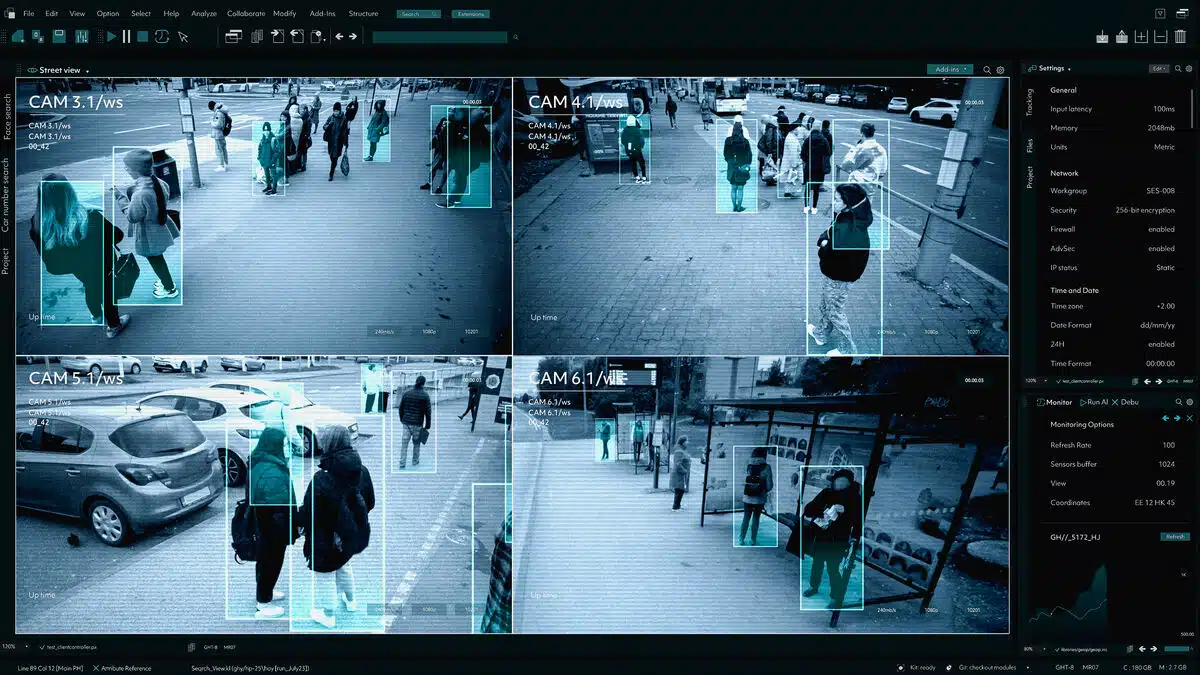
Live video monitoring is a proactive security solution that combines surveillance cameras, artificial intelligence (AI), and trained security professionals to detect, verify, and respond to threats in real time. Unlike traditional CCTV systems that simply record footage for later review, live video monitoring enables immediate intervention while an incident is happening, helping businesses deter crime, reduce losses, and improve overall security.
Key Takeaways
- Live video monitoring combines cameras, AI-powered analytics, and trained operators.
- It enables real-time detection and intervention instead of recording incidents for later review.
- Businesses use live video monitoring to prevent theft, vandalism, trespassing, and other security incidents.
- Modern systems can integrate with existing security cameras or new surveillance infrastructure.
- Live video monitoring is used across industries including construction, retail, logistics, automotive, energy, multifamily housing, and commercial real estate.
Table of Contents
- What is live video monitoring?
- Why isn’t traditional CCTV always enough?
- How does live video monitoring work?
- What makes live video monitoring different from CCTV?
- Why do businesses use live video monitoring?
- Which businesses benefit most from live video monitoring?
- Is live video monitoring right for your business?
- Frequently asked questions
- Bottom line
What Is Live Video Monitoring?
Live video monitoring is a security service where surveillance cameras are actively monitored in real time by trained security professionals who can verify threats and initiate an appropriate response.
Unlike passive surveillance systems that simply capture video, live monitoring combines technology and human expertise to help prevent incidents before they escalate.
A modern live video monitoring solution typically includes:
- High-definition security cameras
- AI-powered video analytics
- 24/7 remote monitoring
- Live audio intervention
- Incident verification
- Emergency escalation when needed
The goal is simple:
Detect threats early, respond quickly, and help prevent incidents instead of simply documenting them.
Quick Answer
Is live video monitoring the same as video surveillance?
No. Traditional video surveillance records footage that is reviewed after an incident. Live video monitoring actively monitors cameras in real time and enables immediate intervention when suspicious activity is detected.
Why Isn’t Traditional CCTV Always Enough?
Traditional CCTV systems have been a foundation of commercial security for decades. They provide valuable visibility and recorded evidence, but they often rely on someone reviewing footage after an incident has already occurred.
For many businesses, that creates a gap between detection and response.
For example:
- A vehicle is stolen overnight.
- A construction site is vandalized after hours.
- Someone trespasses onto private property.
A traditional CCTV system may capture each event, but it cannot stop it from happening.
Live video monitoring was developed to close that gap by adding real-time awareness and proactive response.
Traditional CCTV vs. Live Video Monitoring
| Traditional CCTV | Live Video Monitoring |
| Records video | Monitors activity in real time |
| Reactive | Proactive |
| Evidence after an incident | Intervention during an incident |
| Manual footage review | AI-assisted detection and human verification |
| Limited deterrence | Active deterrence through live response |
How Does Live Video Monitoring Work?
Live video monitoring combines intelligent technology with trained operators to detect and respond to security threats as they occur.
A typical workflow looks like this:
Step 1: Cameras Monitor the Property
Security cameras continuously observe key areas such as:
- Entrances
- Parking lots
- Loading docks
- Perimeters
- Outdoor storage areas
Step 2: AI Detects Suspicious Activity
Modern systems use video analytics to recognize events such as:
- Unauthorized entry
- Loitering
- Perimeter breaches
- Suspicious vehicle activity
- After-hours movement
Rather than monitoring every camera feed continuously, AI helps prioritize events that require human attention.
Step 3: Security Operators Verify the Event
When an alert is generated, trained monitoring professionals quickly determine whether the activity represents a genuine threat or normal business operations.
This verification process helps reduce false alarms while ensuring legitimate threats receive immediate attention.
Step 4: Real-Time Intervention
If a threat is confirmed, operators can respond immediately by:
- Issuing live audio warnings
- Activating deterrence features where available
- Notifying site contacts
- Contacting law enforcement when appropriate
How Live Video Monitoring Works
| Step | What Happens |
| Detect | Cameras and AI identify unusual activity |
| Verify | Security professionals review the event |
| Respond | Operators intervene using established response procedures |
| Resolve | Incidents are documented and escalated when necessary |
What Makes Live Video Monitoring Different From CCTV?
While both systems use surveillance cameras, their purpose is fundamentally different.
Traditional CCTV is primarily designed to record evidence.
Live video monitoring is designed to prevent incidents from becoming losses.
That difference changes how organizations approach security.
Instead of asking:
“What happened last night?”
Businesses can focus on:
“How can we stop this from happening in the first place?”
This proactive approach helps organizations improve:
- Response times
- Situational awareness
- Incident prevention
- Overall security operations
Key Insight
Live video monitoring transforms surveillance from a passive recording tool into an active security solution capable of identifying and responding to threats while they are happening.
Why Do Businesses Use Live Video Monitoring?
Businesses invest in live video monitoring because it provides more than visibility—it provides actionable security.
Earlier Threat Detection
Potential security risks are identified before they become major incidents.
Faster Response
Verified events can be addressed immediately instead of waiting for someone to discover the problem.
Proactive Crime Deterrence
Visible surveillance combined with live intervention can discourage criminal activity before losses occur.
Improved Operational Visibility
Businesses gain better awareness of activity across multiple locations and after-hours operations.
More Efficient Security Resources
Live monitoring can complement on-site personnel and help organizations extend security coverage across larger properties.
Which Businesses Benefit Most From Live Video Monitoring?
Live video monitoring is valuable for organizations that need continuous visibility across large, remote, or high-risk environments.
Common applications include:
Construction
Protect equipment, materials, and jobsites after hours.
Automotive Dealerships
Monitor vehicle inventory, parking lots, and service areas.
Retail & Shopping Centers
Reduce theft, monitor parking areas, and improve customer safety.
Logistics & Distribution
Protect warehouses, loading docks, trailers, and outdoor storage.
Energy & Utilities
Secure remote substations, solar farms, and critical infrastructure.
Commercial Real Estate
Monitor office buildings, parking garages, and common areas.
Multifamily Communities
Improve visibility around entrances, parking lots, pools, and shared amenities.
Is Live Video Monitoring Right for Your Business?
The answer depends on your property’s security needs.
Live video monitoring is often a good fit if you:
- Have valuable outdoor assets
- Operate multiple locations
- Need after-hours protection
- Want to improve response times
- Have experienced theft, vandalism, or trespassing
- Manage large properties with limited on-site staff
It may be less critical if you:
- Operate a very small facility with minimal security risks
- Only need basic indoor camera coverage
- Have comprehensive on-site security at all times
For many organizations, live video monitoring works best as part of a broader security strategy that may also include commercial security cameras, mobile surveillance units, access control, or on-site personnel.
Frequently Asked Questions
Does someone watch cameras all the time?
Modern systems use AI to identify suspicious activity first. Trained security professionals then review verified alerts and respond when necessary, allowing monitoring teams to focus on meaningful events.
Can live video monitoring prevent theft?
While no security solution can eliminate every risk, live video monitoring can help deter criminal activity and enable faster intervention when suspicious behavior is detected.
Can live video monitoring replace security guards?
In some environments, it can reduce the need for routine patrols or supplement existing guard programs. Many organizations use live monitoring alongside on-site security as part of a layered security strategy.
Can live video monitoring work with existing cameras?
In many cases, yes. Existing camera infrastructure can often be integrated with modern monitoring platforms, depending on camera compatibility and system capabilities.
How quickly can monitoring operators respond?
When AI detects suspicious activity, alerts are reviewed immediately by trained operators who follow predefined response procedures based on the situation.
Bottom Line
Live video monitoring represents the evolution of commercial security. Rather than simply recording events for later review, it combines AI-powered analytics, trained security professionals, and real-time intervention to help businesses identify threats, verify incidents, and respond while events are still unfolding.
For organizations looking to move beyond passive surveillance, live video monitoring provides a proactive approach that improves visibility, strengthens security operations, and helps protect people, property, and assets around the clock.