
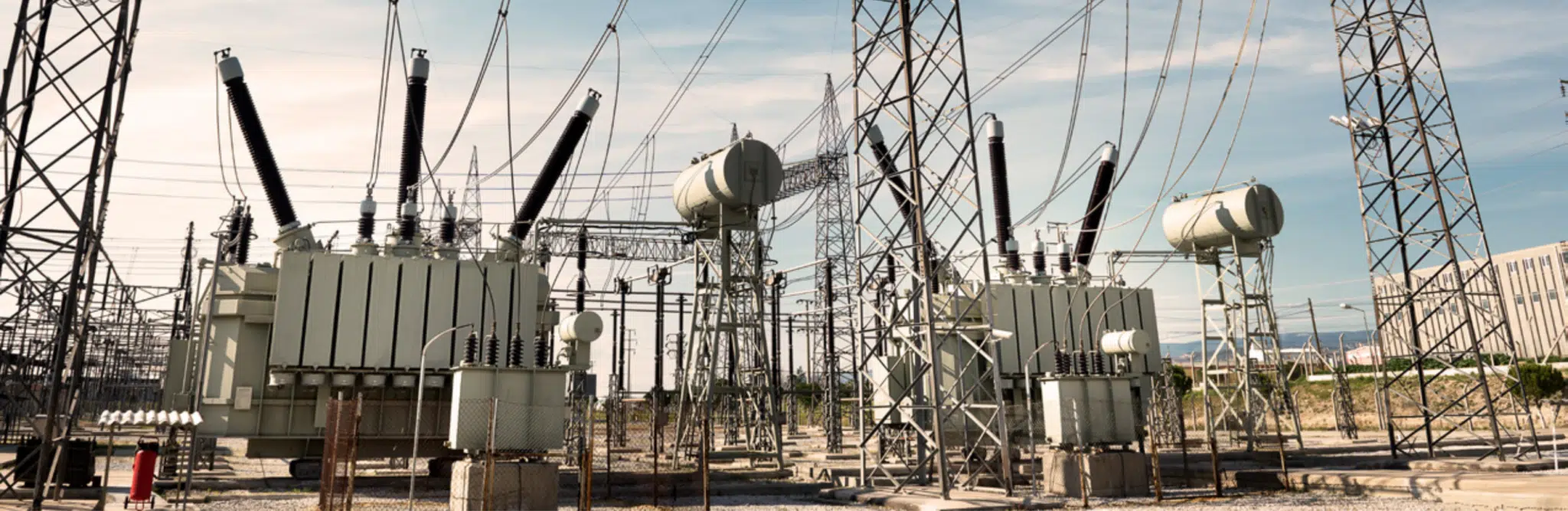



Every day, energy providers are responsible for keeping critical infrastructure operating safely and reliably. Whether delivering electricity to hospitals, powering manufacturing facilities, supporting renewable energy generation, or maintaining the transmission network that connects communities, the consequences of a security failure extend far beyond damaged property.
A single act of copper theft, vandalism, or unauthorized access can interrupt operations, trigger costly repairs, delay infrastructure projects, and contribute to service disruptions that affect thousands of customers. Beyond the immediate financial impact, security incidents often create regulatory concerns, emergency response challenges, and public safety risks that continue long after the incident itself has ended.
That reality has fundamentally changed the role of energy security camera monitoring.
Modern security programs are no longer designed simply to record events for later review. They are built to help protect critical infrastructure, reduce operational risk, support rapid response, and provide the actionable intelligence organizations need to keep essential services running.
Today’s energy security camera solutions combine AI-powered analytics, live monitoring, intelligent surveillance, and comprehensive incident documentation into a proactive security strategy. Rather than reacting after damage has occurred, these systems help organizations identify threats earlier, intervene faster, and better manage every stage of an incident, from detection and response to investigation and reporting.
This guide explores why protecting energy infrastructure requires a fundamentally different security strategy than traditional commercial environments, the unique risks facing today’s utility and critical infrastructure operators, and how energy live security camera monitoring helps strengthen operational resilience across substations, renewable energy sites, transmission corridors, utility yards, battery storage facilities, and construction projects.
Why Energy Infrastructure Requires a Different Security Strategy
Security challenges exist across every industry, but few sectors face consequences as significant as those responsible for delivering essential services.
For many commercial properties, a security incident may result in stolen equipment, property damage, or temporary business interruption. Those losses are important, but they’re typically confined to a single organization or facility.
Energy and critical infrastructure organizations operate under a different set of expectations.
A security incident at a substation can contribute to power outages affecting entire communities. Damage to transmission infrastructure can interrupt service restoration efforts. Copper theft may disable critical equipment while creating expensive repairs and lengthy inspections before operations can safely resume. Even relatively minor acts of vandalism can trigger operational delays, regulatory reporting requirements, and emergency response activities.
In these environments, physical security is directly connected to operational continuity.
Protecting infrastructure means protecting the services businesses, hospitals, manufacturers, municipalities, and residents rely on every day. That shift changes how organizations evaluate security investments. Rather than focusing exclusively on crime prevention, energy providers increasingly look for solutions that help minimize operational disruption, strengthen resilience, improve emergency preparedness, and support investigations when incidents occur. These priorities closely reflect the operational drivers identified by energy security leaders, who consistently prioritize preventing outages, protecting infrastructure, and accelerating investigations over traditional loss prevention alone.
Security Is an Operational Function
In many industries, physical security is viewed primarily as a facilities or risk management responsibility.
Within the energy sector, security is an operational function.
Every intrusion has the potential to affect operations, maintenance schedules, emergency response, customer service, and regulatory compliance. A damaged transformer, compromised transmission asset, or unauthorized entry into a restricted facility doesn’t simply create a security issue, it can impact the organization’s ability to deliver reliable service.
As a result, modern security teams work closely with operations, emergency management, business continuity, and infrastructure protection leaders to reduce risk before incidents escalate.
This broader perspective has reshaped what organizations expect from energy security camera monitoring.
Success is no longer measured solely by the number of incidents recorded.
It’s measured by the disruptions prevented, the downtime avoided, the investigations accelerated, and the operational continuity maintained.
The Cost of a Security Incident Goes Beyond Stolen Property
Copper theft continues to receive significant attention across the energy sector, but the value of the stolen material is often only a small fraction of the total loss.
The real costs frequently include:
- Service interruptions
- Emergency repair work
- Equipment replacement
- Construction delays
- Infrastructure inspections
- Contractor downtime
- Lost productivity
- Public safety concerns
- Regulatory scrutiny
For example, a single intrusion at an active construction site may require work to stop while crews inspect electrical infrastructure before work can safely resume. At a substation, damage to critical equipment can lead to emergency response efforts that extend well beyond repairing the physical asset itself.
These downstream consequences are why many utilities increasingly evaluate security through the lens of operational resilience rather than property protection.
The question is no longer, “How do we stop someone from stealing copper?”
It’s, “How do we prevent a security incident from disrupting operations in the first place?”
Modern energy security camera solutions are designed to answer that question.
Large, Remote Facilities Create Unique Security Challenges
Another factor separating energy from traditional commercial security is geography.
Critical infrastructure operators often manage hundreds of facilities spread across large service territories.
These may include:
- Electrical substations
- Transmission corridors
- Renewable energy facilities
- Battery energy storage systems
- Utility maintenance yards
- Water treatment facilities
- Pipeline infrastructure
- Remote pumping stations
- Active construction projects
Many operate with little or no permanent on-site staff.
Others are located in isolated environments where law enforcement response may take considerably longer than at a typical commercial property.
Large perimeters, limited lighting, changing weather conditions, and evolving construction activities further increase the complexity of securing these facilities.
Instead, many organizations are adopting layered security strategies that combine energy live security camera surveillance, artificial intelligence, remote monitoring, and targeted physical response to maintain continuous awareness across multiple locations simultaneously.
The result is greater visibility, faster threat verification, and more efficient use of security resources across geographically dispersed infrastructure.
The Biggest Security Risks Facing Energy Facilities
Protecting critical infrastructure begins with understanding the threats most likely to disrupt operations.
While every organization has its own unique risk profile, several security challenges consistently affect utilities, renewable energy providers, and other energy organizations.
Importantly, these threats should not be evaluated solely by the value of damaged or stolen property.
Instead, they should be considered based on their potential operational impact, including outages, service interruptions, project delays, safety risks, and business continuity.
Copper Theft
Copper theft remains one of the industry’s most persistent and costly security challenges.
Although the stolen material itself may represent relatively little value, the damage caused during the theft often creates far greater consequences.
Criminals frequently target grounding wires, electrical components, transformers, and other infrastructure supporting the power grid. In the process, they may damage critical equipment, trigger outages, delay restoration efforts, or require extensive inspections before facilities can safely return to service.
Construction projects are especially vulnerable.
High-value electrical materials are often staged on-site before installation, making remote job sites attractive targets after working hours.
Proactive energy security camera monitoring helps detect suspicious activity before theft escalates into infrastructure damage, reducing both operational disruption and financial loss.
Trespassing and Unauthorized Access
Not every intrusion is motivated by theft.
Some individuals intentionally target isolated infrastructure because they believe no one is watching. Others unknowingly enter restricted areas while hiking, riding off-road vehicles, or accessing adjacent property.
Regardless of intent, unauthorized access creates significant safety and operational risks.
Energized equipment, restricted infrastructure, and active construction areas present hazards not only to the individual involved but also to utility operations if equipment is damaged or compromised.
Early detection allows security teams to intervene before these situations become emergencies.
How Energy Security Camera Monitoring Works
Protecting critical infrastructure requires more than placing cameras around a facility.
Effective energy security camera monitoring is built around one objective: identifying threats early enough to prevent them from becoming operational disruptions.
That represents a fundamental shift from traditional surveillance.
Conventional CCTV systems are designed to record events. Modern security programs are designed to detect suspicious activity, verify whether a real threat exists, coordinate an appropriate response, and preserve the evidence needed after the incident is over.
For utilities and critical infrastructure operators, this proactive approach helps reduce operational risk while improving visibility across facilities that are often remote, unmanned, or spread across large geographic regions.
Step 1: Continuous Visibility Across Critical Infrastructure
Every successful security strategy begins with comprehensive visibility.
Strategically deployed surveillance cameras provide continuous coverage of the areas most likely to experience unauthorized activity, including:
- Perimeter fencing
- Access gates
- Transformer yards
- Equipment storage areas
- Utility maintenance yards
- Construction zones
- Transmission corridors
- Renewable energy infrastructure
Unlike traditional commercial environments, energy facilities often cannot rely on a single building entrance or parking lot camera.
Security must account for expansive perimeters, isolated assets, multiple access points, and infrastructure spread across miles of territory.
Rather than attempting to watch every square foot equally, effective energy security camera solutions focus on protecting the assets and access points where incidents are most likely to occur while maintaining broad situational awareness across the entire site.
Step 2: AI Identifies Genuine Threats
Large utility environments generate constant activity.
Wildlife crosses transmission corridors.
Vegetation moves with changing weather.
Authorized employees and contractors enter facilities throughout the day.
Traditional motion detection often struggles to distinguish meaningful security events from normal environmental activity, resulting in thousands of unnecessary alarms.
Modern AI security software changes that.
Instead of alerting operators every time something moves, intelligent analytics identify people, vehicles, and behaviors that represent genuine security concerns.
For energy organizations, this means:
- Fewer nuisance alarms
- Faster identification of legitimate threats
- More efficient use of security personnel
- Better visibility across multiple facilities
- Improved operational efficiency
Rather than replacing people, AI allows security professionals to focus their attention where it matters most.
Step 3: Human Verification Provides Operational Context
Artificial intelligence is exceptionally effective at detecting activity.
Human operators provide the judgment needed to determine what that activity actually means.
When AI identifies a potential intrusion, trained monitoring professionals immediately review the event.
They evaluate factors such as:
- Time of day
- Location within the facility
- Type of activity
- Number of individuals involved
- Vehicle movement
- Escalating risk
- Authorized site access
This verification process dramatically improves response quality.
Instead of responding to every alert, organizations receive verified information that allows security teams, operations personnel, and emergency responders to make informed decisions based on real events.
For facilities located miles from the nearest security office or police agency, eliminating unnecessary dispatches while ensuring genuine threats receive immediate attention can significantly improve operational efficiency.
Step 4: Real-Time Intervention Reduces Operational Impact
Once suspicious activity has been verified, response begins immediately.
Depending on the incident, monitoring professionals may:
- Issue live audio warnings
- Contact site personnel
- Notify utility security teams
- Coordinate with security officers
- Dispatch law enforcement
- Escalate incidents to emergency management personnel
The objective isn’t simply to document what happened.
It’s to reduce the likelihood that an intrusion develops into equipment damage, infrastructure disruption, or a prolonged operational incident.
This proactive response model helps organizations address threats before they create outages, delay restoration efforts, or interrupt ongoing construction and maintenance activities.
Step 5: Every Incident Becomes Actionable Intelligence
For critical infrastructure organizations, response doesn’t end once an intruder leaves the property.
Every incident creates valuable operational intelligence.
Security teams need accurate documentation to understand what occurred, coordinate investigations, identify recurring vulnerabilities, and improve future security planning.
Modern energy live security camera monitoring platforms organize:
- Video evidence
- Still images
- Incident timelines
- Operator activity
- Notifications
- Written summaries
- Response documentation
Instead of reviewing hours of archived footage, organizations receive organized incident information that supports faster decision-making across security, operations, and executive leadership.
This ability to move quickly from detection to documentation is one of the defining characteristics of today’s intelligent security programs.
What Makes Modern Energy Security Camera Solutions Different
Many utilities already have surveillance cameras.
What increasingly separates modern security programs isn’t whether cameras exist, it’s what those cameras enable organizations to do.
Traditional surveillance records activity.
Modern energy security camera solutions provide operational intelligence.
By combining advanced imaging, artificial intelligence, live monitoring, intelligent reporting, and proactive response, today’s systems help organizations prevent disruption rather than simply document it.
Artificial Intelligence Improves Decision-Making
Artificial intelligence has transformed physical security by helping organizations identify meaningful events with greater speed and accuracy.
Rather than overwhelming operators with thousands of notifications each day, AI prioritizes events based on actual risk.
For organizations managing dozens, or hundreds, of facilities, this delivers several important advantages:
- Higher detection accuracy
- Faster threat verification
- Reduced false alarms
- Better allocation of security resources
- More efficient monitoring across multiple sites
This allows internal security teams to spend less time sorting through unnecessary alerts and more time responding to legitimate operational risks.
Live Monitoring Extends Internal Security Operations
Many utilities already operate sophisticated internal security operations centers.
Live monitoring isn’t necessarily designed to replace those teams.
Instead, it strengthens them.
External monitoring professionals provide additional visibility across remote facilities while supporting internal security personnel with verified events, actionable intelligence, and around-the-clock coverage.
This layered approach helps organizations:
- Extend coverage across geographically dispersed infrastructure
- Reduce workload for internal operators
- Improve overnight monitoring
- Add redundancy during emergencies
- Support security operations during periods of increased activity
Rather than replacing existing investments, energy live security camera surveillance enhances the effectiveness of internal security programs.
PTZ Cameras Capture Better Evidence
Not all surveillance footage provides the same investigative value.
Fixed cameras offer excellent coverage of critical areas, but PTZ (pan-tilt-zoom) cameras provide an additional layer of operational intelligence.
Operators can:
- Track movement across large facilities
- Follow individuals through multiple areas
- Zoom in on identifying characteristics
- Document vehicle activity
- Capture higher-quality evidence
This level of visibility is especially valuable across substations, utility yards, and large renewable energy sites where understanding how an incident unfolded is just as important as detecting it.
License Plate Recognition Strengthens Investigations
Vehicle traffic is involved in many security incidents affecting energy infrastructure.
License Plate Recognition (LPR) technology automatically captures vehicle information entering and leaving protected facilities.
This information supports:
- Criminal investigations
- Access verification
- Repeat offender identification
- Fleet management
- Law enforcement coordination
Combined with surveillance footage and incident documentation, LPR helps build a more complete understanding of security events while improving investigative outcomes.
Modern Platforms Deliver More Than Video
Perhaps the biggest difference between traditional CCTV and modern energy security camera monitoring is what happens after an incident.
Today’s leading platforms centralize:
- Video evidence
- Incident timelines
- Operator activity
- Notifications
- Reporting
- Supporting documentation
Instead of piecing information together from multiple systems, security teams receive a complete operational record that supports investigations, simplifies reporting, and improves communication across departments.
For organizations responsible for protecting critical infrastructure, that level of operational visibility is often just as valuable as the surveillance itself.
Protecting Every Type of Energy Site
Every energy facility presents unique security challenges that require a tailored security approach.
The threats affecting a remote substation differ from those facing a battery storage facility or an active transmission construction project.
Rather than applying the same security strategy everywhere, organizations should tailor their approach to each environment’s operational risks.
Electrical Substations
Substations represent some of the most critical assets within the electrical grid.
While copper theft often receives the most attention, the larger concern is operational impact.
Damage to transformers or supporting infrastructure can interrupt service, require emergency repairs, trigger inspections, and delay restoration efforts affecting entire communities.
Effective security focuses on preventing unauthorized access before critical equipment is compromised while maintaining continuous visibility across large, frequently unmanned facilities.
Transmission Corridors
Transmission infrastructure presents a unique challenge because the assets themselves stretch across vast distances.
Construction materials, cable, copper, specialized equipment, and temporary work zones may all be located far from populated areas.
Traditional guard coverage alone is rarely practical.
Remote surveillance, intelligent analytics, and strategically deployed monitoring help organizations extend security across these difficult-to-protect environments while improving visibility during maintenance and infrastructure expansion projects.
Renewable Energy Facilities
Solar farms and wind energy projects often combine large perimeters with limited on-site staffing.
These facilities may contain valuable electrical infrastructure spread across hundreds or even thousands of acres.
Effective security balances perimeter protection with continuous monitoring of access points, equipment, and critical operational assets while supporting long-term reliability for renewable energy production.
Battery Energy Storage Systems
Battery energy storage facilities continue to expand as utilities modernize the electrical grid.
Because these sites play an increasingly important role in maintaining grid stability, protecting them goes well beyond safeguarding equipment.
Organizations should prioritize:
- Controlled site access
- Early intrusion detection
- Continuous monitoring
- Incident documentation
- Coordinated emergency response
Protecting these facilities helps support both operational continuity and long-term infrastructure resilience.
Utility Yards and Maintenance Facilities
Utility yards serve as operational hubs for vehicles, transformers, cable, tools, and replacement equipment.
They also experience frequent employee and contractor activity.
Modern surveillance helps distinguish authorized operations from suspicious behavior by combining AI, live monitoring, and license plate recognition to improve visibility without slowing day-to-day operations.
Construction and Infrastructure Expansion Projects
Construction environments change constantly.
Perimeters shift.
Equipment moves.
High-value electrical materials arrive throughout the project.
These evolving conditions require security solutions that can adapt just as quickly.
Why Mobile Surveillance Units Play a Critical Role
For many energy organizations, mobile surveillance units have become an essential part of protecting temporary and evolving infrastructure.
Unlike permanently installed camera systems, mobile units can be rapidly deployed to construction sites, remote substations, transmission projects, renewable energy developments, and emergency response operations without relying on existing power or communications infrastructure.
As projects progress or priorities change, these systems can be relocated to protect new work areas, temporary material staging locations, or facilities recovering from severe weather and other emergencies.
This flexibility makes mobile surveillance particularly valuable during infrastructure expansion, disaster recovery, and other situations where security needs evolve as quickly as operations themselves.
Why Live Monitoring Outperforms Traditional CCTV
For decades, CCTV has been the foundation of physical security.
It remains an important tool, but recording incidents after they occur is no longer enough for organizations responsible for protecting critical infrastructure.
Energy providers don’t simply need to know what happened.
They need the ability to reduce operational disruption while an incident is still unfolding.
That’s why many utilities and critical infrastructure operators are moving beyond passive surveillance and investing in energy live security camera monitoring.
Rather than functioning solely as a recording system, live monitoring combines intelligent technology with trained security professionals who verify threats, coordinate response, and help organizations take action before incidents escalate.
The difference isn’t simply faster awareness.
It’s better operational outcomes.
Traditional CCTV Documents Incidents
Traditional CCTV performs one primary function exceptionally well.
It records video.
If an incident occurs overnight, security personnel can review footage later to determine what happened.
That information may support an investigation.
It may assist insurance claims.
It may even help identify suspects.
But by the time the footage is reviewed:
- The offenders have typically left.
- Equipment may already be damaged.
- Copper may already be stolen.
- Construction work may already be delayed.
- Service interruptions may already be affecting customers.
The footage explains the incident.
It rarely changes the outcome.
Live Monitoring Helps Prevent Escalation
Modern energy live security camera surveillance changes the timeline.
Instead of discovering incidents after they occur, trained monitoring professionals review verified events as they happen.
When suspicious activity is confirmed, operators can immediately begin coordinating the appropriate response.
Depending on the situation, that may include:
- Live audio intervention
- Contacting utility security personnel
- Dispatching security officers
- Coordinating with law enforcement
- Escalating incidents to emergency management teams
For remote substations, renewable energy sites, and transmission infrastructure, those early minutes often determine whether an incident becomes a minor security event or a significant operational disruption.
Live Monitoring Strengthens Existing Security Programs
Utilities have invested heavily in internal security operations.
Modern monitoring should complement those investments, not replace them.
Many organizations use live monitoring to extend the reach of their internal security teams by providing:
- Overnight coverage
- Monitoring for remote facilities
- Additional operational redundancy
- Verified events instead of raw alarms
- Faster situational awareness across multiple locations
This layered approach allows security operations centers to focus on strategic decision-making while benefiting from continuous monitoring across geographically dispersed infrastructure.
Better Information Creates Better Decisions
Responding quickly is important.
Responding intelligently is even more valuable.
Live monitoring provides security leaders with verified information rather than isolated alarms.
Instead of simply knowing motion occurred, organizations understand:
- What happened
- Where it occurred
- Who was involved
- Whether vehicles were present
- Whether infrastructure appears compromised
- Whether escalation is required
That operational context allows security, operations, emergency management, and law enforcement to make better decisions while an incident is still developing.
Security Doesn’t End When the Incident Ends
Detecting an intrusion is only one step in protecting critical infrastructure.
For many energy organizations, the investigation that follows is equally important.
A complete security program should support every stage of the incident lifecycle:
Detection → Verification → Response → Documentation → Investigation → Resolution
Unfortunately, many traditional surveillance systems stop after the first step.
They record video.
Everything else becomes the customer’s responsibility.
Modern security programs are designed differently.
They help organizations move efficiently from incident detection to operational recovery.
This broader lifecycle approach is especially important for utilities and critical infrastructure organizations, where investigations often involve operations teams, executive leadership, insurers, regulators, and law enforcement. Supporting each stage of the incident, not just the initial alarm, has become a defining characteristic of mature security programs.
Why Fast Documentation Matters
Time is critical after a security incident.
Security leaders may need to:
- Notify executive leadership
- Coordinate with operations
- Support law enforcement
- Begin internal investigations
- File insurance claims
- Meet regulatory reporting requirements
The faster accurate information becomes available, the faster those processes can begin.
Waiting days, or even weeks, to assemble evidence delays every subsequent decision.
Turning Surveillance Into Actionable Intelligence
Video footage alone rarely tells the complete story.
Organizations also need:
- Incident timelines
- Still images
- Operator notes
- Notification records
- Response actions
- Supporting documentation
When all of this information is organized into a single incident package, investigations become significantly more efficient.
Instead of manually gathering evidence from multiple systems, security teams can immediately begin understanding what happened, assessing operational impact, and coordinating with the appropriate stakeholders.
Evidence That Supports Better Outcomes
Well-organized documentation creates value far beyond the security department.
Operations teams gain a clearer understanding of how incidents affected infrastructure.
Risk managers receive accurate records for insurance and compliance purposes.
Law enforcement gains timely evidence that can help accelerate investigations.
Executive leadership receives greater visibility into organizational risk.
For organizations responsible for protecting essential infrastructure, better evidence ultimately leads to better operational decisions.
From Video to Operational Intelligence
One example of this approach is ECAM’s Synchro Reports.
Rather than simply delivering surveillance footage, Synchro Reports package video, still images, event timelines, operator actions, notification records, and written incident summaries into a comprehensive report shortly after an event.
For security teams, this means less time gathering evidence and more time responding to operational priorities.
For investigators, it means receiving organized documentation that can support faster decision-making, improve coordination with law enforcement, and simplify internal reporting.
For organizations responsible for protecting critical infrastructure, transforming surveillance into actionable intelligence represents a significant advantage over traditional monitoring approaches.
How to Evaluate an Energy Security Camera Solution
Choosing the right security partner involves far more than comparing camera specifications.
Energy and critical infrastructure organizations should evaluate whether a solution supports long-term operational resilience, not simply whether it records high-quality video.
Here are seven questions every buyer should consider.
1. Can It Protect Remote, Unmanned Infrastructure?
Many substations, renewable energy facilities, and transmission assets operate without permanent on-site personnel.
Look for solutions specifically designed to provide reliable protection across isolated environments.
2. Can It Continue Operating During Emergencies?
Major weather events, infrastructure failures, and disaster recovery operations often create security challenges at the exact moment they’re needed most.
Ask whether the solution can continue protecting critical assets during temporary deployments, emergency restoration efforts, or locations with limited existing infrastructure.
3. Does It Combine AI with Human Verification?
Artificial intelligence improves detection.
Human operators provide judgment.
The strongest solutions combine both to improve accuracy while reducing unnecessary dispatches.
4. Can It Scale Across Your Entire Infrastructure Portfolio?
Energy organizations rarely protect a single facility.
The right platform should support:
- Substations
- Utility yards
- Renewable energy sites
- Battery storage
- Transmission corridors
- Construction projects
A centralized approach simplifies oversight while improving consistency across every location.
5. Can It Integrate with Existing Security Operations?
Most utilities already operate internal security programs.
Look for solutions that strengthen existing operations rather than requiring organizations to replace successful processes.
6. How Quickly Is Evidence Delivered?
Detection is only the beginning.
Ask providers:
- How quickly are incident reports available?
- What documentation is included?
- How easily can evidence be shared with investigators?
Fast, organized reporting can dramatically improve post-incident response.
7. Does the Provider Understand Critical Infrastructure?
Protecting a warehouse and protecting a power grid are fundamentally different challenges.
Choose a provider that understands:
- Operational continuity
- Infrastructure resilience
- Emergency response
- Utility operations
- Remote asset protection
- Regulatory expectations
Experience within critical infrastructure environments often proves just as valuable as the technology itself.
Protecting Critical Infrastructure Requires More Than Cameras
Energy organizations aren’t simply protecting buildings.
They’re protecting the infrastructure that powers hospitals, manufacturers, transportation systems, businesses, and entire communities.
When a security incident occurs, the consequences aren’t measured solely in damaged equipment or stolen copper.
They’re measured in operational disruption.
Delayed restoration.
Emergency response.
Public safety.
Community impact.
That’s why modern energy security camera monitoring must do far more than record video.
It must help organizations detect threats earlier, reduce operational risk, accelerate response, support investigations, and strengthen resilience before, during, and after every incident.
The strongest energy security camera solutions aren’t defined by the number of cameras deployed.
They’re defined by the outages they help prevent, the operational continuity they help maintain, and the confidence they give security and operations leaders responsible for protecting critical infrastructure.
Next Steps
Protecting critical infrastructure demands more than traditional surveillance. Talk with an ECAM expert to learn how intelligent monitoring, AI-powered analytics, mobile surveillance, and comprehensive incident reporting can help strengthen your security strategy, improve operational resilience, and protect your most critical energy assets.
Build a Stronger Security Strategy

Download Security Guides
Practical ebooks to help you strengthen your security and solve your challenges.

Discover Industry Security Solutions
See how ECAM protects your industry with solutions designed to deter crime, reduce losses, and keep operations moving.