



Not every security challenge deserves a permanent solution.
Some projects last for years. Others last only a few months. Some locations change every week, while others exist only until construction is complete or infrastructure is installed.
The security strategy that works for a corporate headquarters may not make sense for a temporary laydown yard, a new construction project, or a remote utility site.
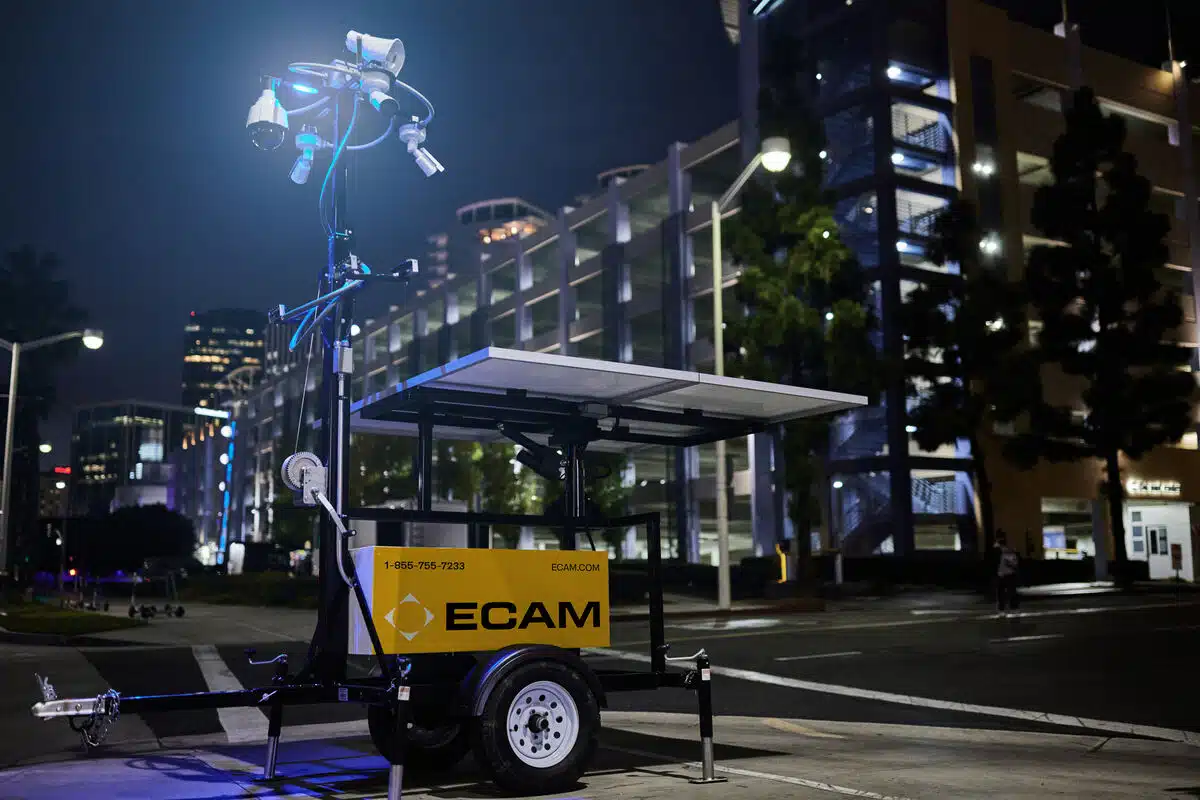
That’s why more organizations are turning to mobile surveillance trailers. Rather than waiting for permanent infrastructure or investing in fixed systems that may no longer fit the site six months from now, businesses can deploy security where and when it’s needed most.
If your environment is constantly changing, a mobile solution may be the smarter place to start.
1. You’re Protecting a Site That Won’t Be There Next Year
Many businesses operate temporary locations that still require reliable security.
Construction projects move from groundbreaking to completion.
Infrastructure improvements shift as work progresses.
Temporary storage yards appear to support seasonal demand.
Special events create short-term security needs.
Installing permanent cameras at these sites often isn’t practical because the location itself is temporary.
A mobile surveillance trailer provides immediate visibility without requiring permanent infrastructure, allowing organizations to protect the site for exactly as long as it’s needed.
2. Your Security Needs Move as Your Operation Changes
Not every property stays the same.
Equipment storage areas expand.
Materials are relocated.
Parking layouts change.
Work zones shift across large properties.
As operations evolve, yesterday’s camera placement may no longer provide the visibility today’s site requires.
Unlike permanently mounted systems, mobile surveillance trailers can be repositioned as operational priorities change, helping businesses maintain coverage without redesigning an entire security system.
The security solution adapts to the operation instead of forcing the operation to adapt to the security system.
3. You’re Waiting for Permanent Infrastructure
Many projects begin long before permanent utilities are available.
Power hasn’t been installed.
Network connectivity is still under development.
Buildings haven’t been completed.
Yet these early stages are often when equipment, materials, and valuable assets are most exposed.
A remote surveillance trailer allows organizations to establish monitored security before permanent infrastructure is ready, extending visibility during the phases when temporary solutions provide the greatest value.
Security doesn’t have to wait until the project is finished.
4. You Need Better Visibility Immediately
Sometimes the challenge isn’t deciding what security solution to install.
It’s needing one now.
An increase in trespassing.
Unexpected vandalism.
A newly acquired property.
A remote location that suddenly requires oversight.
Waiting weeks or months for permanent installation isn’t always an option.
A security camera trailer can often be deployed quickly, helping organizations establish visibility while longer-term security strategies are evaluated.
For many businesses, rapid deployment helps maintain operational continuity without delaying projects or leaving properties unprotected during critical periods.
5. You Want to Learn Before You Build a Permanent System
One of the most overlooked advantages of a mobile surveillance trailer is the opportunity to better understand a property before investing in permanent infrastructure.
Businesses don’t always know where future blind spots will emerge.
Traffic patterns evolve.
Operational routines change.
Areas that initially seemed low priority may become the busiest parts of the property.
Using a mobile solution first allows organizations to observe how a site actually operates before determining where permanent cameras may ultimately deliver the greatest value.
Sometimes temporary security provides permanent insight.
What Modern Mobile Surveillance Trailers Include
Today’s mobile surveillance trailers provide much more than elevated cameras on a trailer.
Many combine multiple technologies into a single integrated solution, including:
- High-definition security cameras positioned for broad site visibility
- Live security camera monitoring by trained professionals
- AI-assisted analytics that help identify meaningful activity
- Remote communication capabilities for real-time intervention
- Cloud-based access to recorded and live video
- Flexible deployment that can adapt as site conditions change
Together, these capabilities allow businesses to extend awareness across locations where permanent systems may not yet be practical.
Why Price Isn’t the First Question to Ask
It’s natural to ask about mobile surveillance trailer price or whether a mobile surveillance trailer rental makes more sense than purchasing equipment outright.
Those are important considerations, but they’re rarely the best place to begin.
The more valuable questions are:
- How long will the site need protection?
- How quickly does security need to be deployed?
- Will the location change over time?
- Is permanent infrastructure available?
- Does the site require live monitoring or recorded video alone?
Answering those questions first helps determine which deployment model, and which investment, makes the most sense for the operation.
The right solution isn’t simply the least expensive one.
It’s the one that best fits the environment you’re protecting.
Choosing the Right Solution for the Job
Permanent camera systems remain an excellent choice for many facilities.
But not every property is permanent.
Not every project lasts for years.
Not every security challenge justifies installing fixed infrastructure.
Mobile surveillance trailers give organizations the flexibility to protect changing environments, temporary operations, and remote locations without compromising visibility or delaying security until permanent systems are available.
Because the best security solutions aren’t defined by the equipment.
They’re defined by how well they fit the realities of the operation.
Build a Stronger Security Strategy

Download Security Guides
Practical ebooks to help you strengthen your security and solve your challenges.

Discover Industry Security Solutions
See how ECAM protects your industry with solutions designed to deter crime, reduce losses, and keep operations moving.