
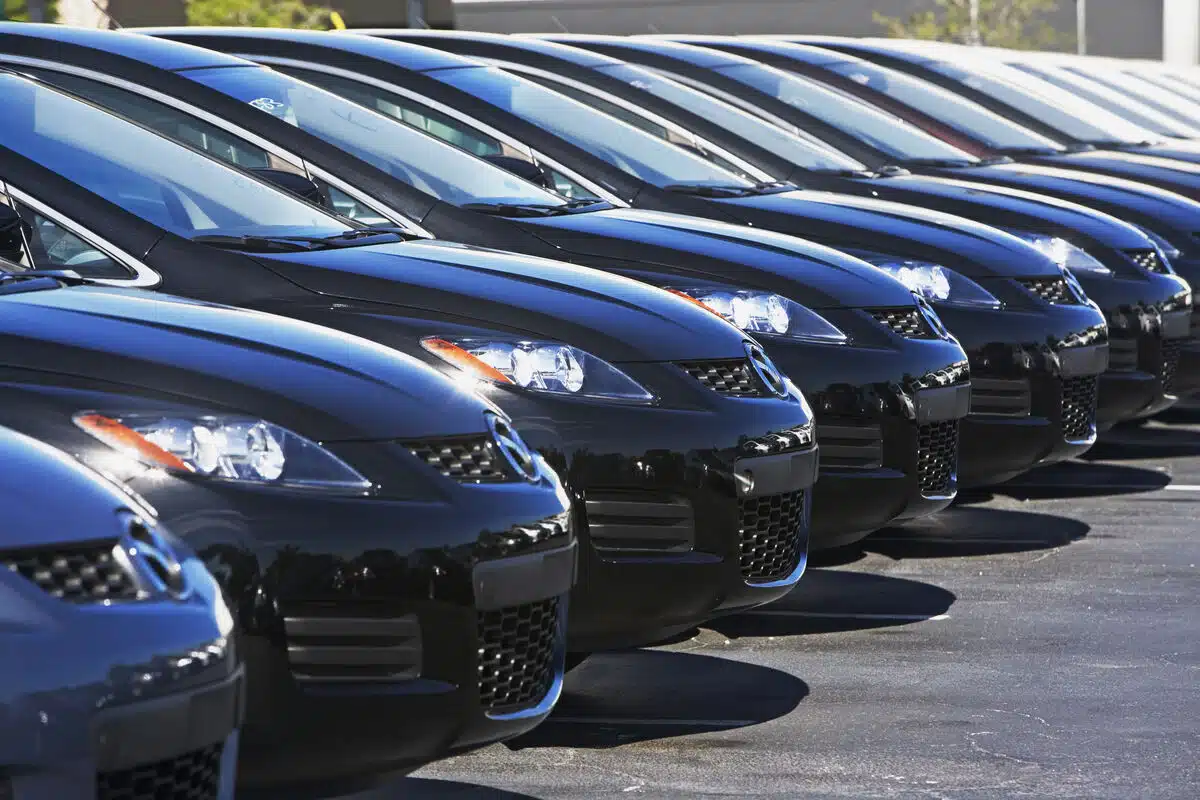



Automotive dealerships don’t just have a security problem. They have a revenue protection problem.
Every vehicle on your lot represents thousands of dollars in inventory. When something goes wrong, whether it’s theft, damage, or a breakdown in operations, the impact doesn’t stop at a single incident. It cascades across your business, affecting sales, customer satisfaction, and long-term profitability.
That’s why automotive dealership security surveillance is no longer just about cameras. It’s about protecting inventory, maintaining operational control, and preventing losses before they escalate.
This guide breaks down:
- The real risks dealerships face today
- Where and when incidents occur
- What an effective security system actually looks like
- How modern solutions go beyond surveillance to improve operations
Why Dealership Security Is a Revenue Problem, Not Just a Safety Issue
When people think about security, they think about preventing crime. But in automotive, the stakes are much higher.
A single incident can trigger a chain reaction:
- A stolen vehicle reduces available inventory
- Missing inventory can lead to floor plan penalties
- Lower inventory impacts sales performance
- Poor performance can affect manufacturer allocation
- Reduced allocation means fewer high-demand vehicles to sell
At the same time:
- A stolen or damaged customer vehicle damages trust
- Service teams deal with the fallout immediately
- Reputation suffers, which impacts long-term revenue
Security failures don’t stay isolated. They create compounding financial and operational consequences across the dealership.
The Most Common Security Threats Facing Dealerships Today
Modern dealerships face a wide range of threats, and they are becoming more sophisticated.
High-Frequency Incidents
- Full vehicle theft
- Catalytic converter theft
- Wheels and tire theft
- Break-ins to access keys
- Theft from customer vehicles
More Advanced Threats
- Key fob swapping during test drives
- Vehicle programming and hacking
- Organized theft targeting high-performance vehicles
- Coordinated efforts to remove multiple vehicles at once
In many cases, crime escalates over time. If minor theft is not addressed, it signals vulnerability. Criminals test the environment, then return with more aggressive tactics.
Where Dealerships Are Most Vulnerable
Not all areas of a dealership carry the same level of risk. Understanding where incidents occur is critical to building an effective automotive dealership security camera solution.
Front Lot (Customer Browsing Area)
- Highest exposure
- Open access to the public
- Most vehicle theft originates here
Back-of-House / Service Areas
- Vehicles in process
- Moderate control, but still vulnerable
- Increased risk of internal damage or mismanagement
Storage and Overflow Lots
- Often gated but less monitored
- High-value inventory concentrated in one place
- Breaches here tend to be more severe
Effective automotive dealership video surveillance systems must account for each of these zones differently. A one-size-fits-all approach leaves critical gaps.
When Security Incidents Actually Happen
Most dealership incidents occur:
- Overnight
- During weekends
- Outside standard operating hours
However, not all threats happen after hours.
Daytime risks include:
- Key theft from desks or unsecured areas
- Unauthorized access during business hours
- Internal operational issues (vehicle damage, misplaced inventory)
This creates a challenge.
Traditional surveillance models either:
- Monitor everything all the time (inefficient), or
- Miss key moments due to poor configuration
The reality is that dealerships require smart, event-driven monitoring aligned with real operational patterns, not generic 24/7 coverage.
What an Effective Dealership Security System Looks Like
To address these risks, dealerships need more than cameras. They need a layered approach that combines visibility, intelligence, and response.
1. Fixed Camera Coverage (Foundation)
- Full exterior visibility of inventory
- Strategic placement based on layout, lighting, and traffic flow
- Designed for analytics, not just recording
2. Mobile Surveillance Units (MSUs)
Best suited for:
- Overflow inventory lots
- Temporary storage during construction or remodels
- Locations without power or internet
These areas are often the most vulnerable and the least protected.
3. Event-Based Monitoring
Instead of constant manual monitoring, modern systems:
- Detect specific behaviors or anomalies
- Trigger alerts based on real activity
- Focus attention where it matters
This is especially important in dealerships, where some activity at night is normal (cleaners, deliveries, staff). The reality is that dealerships require smart, event-driven monitoring aligned with real operational patterns, not generic 24/7 coverage.
4. Analytics-Driven Detection
Advanced systems use analytics to:
- Reduce false alarms
- Identify real threats faster
- Improve response accuracy
Without analytics, surveillance becomes reactive instead of proactive.
Beyond Security: How Surveillance Improves Dealership Operations
One of the most overlooked benefits of automotive dealership security camera monitoring is operational visibility.
Dealerships are increasingly using video systems to improve efficiency and reduce costs.
Vehicle Tracking and Inventory Visibility
- Locate missing vehicles faster
- Understand vehicle movement across the lot
- Reduce time wasted searching for inventory
Damage and Dispute Resolution
- Verify vehicle condition at arrival
- Resolve customer disputes quickly
- Reduce unnecessary payouts
Service Lane Validation
- Document vehicle condition during intake
- Prevent false damage claims
- Identify upsell opportunities
In some cases, these operational benefits alone can offset the cost of the entire system.
Why Many Dealership Security Systems Fail
Despite investing in surveillance, many dealerships still experience loss.
Common reasons include:
Poor System Design
- Cameras placed for visibility, not performance
- Blind spots across key areas
- No consideration for real-world layout
Outdated Monitoring Models
- Guards watching multiple screens without analytics
- Delayed or missed incident detection
- Inconsistent response
Lack of Integration
- Cameras, monitoring, and response operating separately
- No unified system for visibility and action
High False Alarm Rates
- Excessive noise leads to ignored alerts
- Reduced trust in the system
An effective system must be designed specifically for dealership environments, not adapted from other industries.
How to Choose the Right Automotive Dealership Security Surveillance Solution
When evaluating solutions, dealerships should look beyond price and focus on long-term value.
Key considerations include:
Design Expertise
- Is the system tailored to dealership layouts and risks?
- Does it account for inventory-heavy environments?
Monitoring Quality
- Is monitoring event-driven and intelligent?
- Are alerts accurate and actionable?
Flexibility
- Can the system work with existing cameras?
- Does it support both fixed and mobile deployments?
Support and Investigation
- Are incidents fully investigated or just flagged?
- Is video retrieval included or an added cost?
Compliance and Scalability
- Is the system NDAA-compliant?
- Can it scale across multiple locations?
The right solution should function as a security and operations platform, not just a collection of cameras.
Final Thoughts: Protecting More Than Just Vehicles
Automotive dealerships operate in one of the highest-risk retail environments. High-value inventory, open access, and complex operations create constant exposure.
Without the right system in place, even a single incident can trigger:
- Lost revenue
- Operational disruption
- Long-term reputational damage
Modern automotive dealership security surveillance is about more than preventing theft.
It’s about:
- Protecting inventory
- Maintaining operational control
- Preserving revenue
Next Steps
If you’re evaluating ways to improve dealership security and reduce loss, the next step is understanding how your current system performs in real-world conditions.
Build a Stronger Security Strategy

Download Security Guides
Practical ebooks to help you strengthen your security and solve your challenges.

Discover Industry Security Solutions
See how ECAM protects your industry with solutions designed to deter crime, reduce losses, and keep operations moving.