




A shopping center can have useful camera coverage at its storefronts while leaving activity in an outer parking area difficult to assess. A tenant renovation can change customer routes, and delivery vehicles can interrupt views around a service entrance. As the property changes, the coverage that once fit its needs may need to change with it.
Choosing retail security systems starts with understanding those gaps. Mobile surveillance units offer a flexible way to bring coverage into outdoor areas and respond to temporary needs. Fixed cameras can provide consistent, closer views where a particular entrance or shared space requires ongoing attention.
For owners, facilities teams, and property managers, the deployment decision should connect the equipment to a defined purpose: the activity it needs to show, the conditions in which it must work, and the response it will support.
Start With the View the Property Needs
A coverage assessment should establish what the existing system can show. Useful cameras may already be in place, while a small number of locations account for the most consequential gaps.
Review retail CCTV security systems against the property’s current layout, tenant hours, and reported incidents. A camera may provide a clear view of a door but little visibility along the approach. Another may show movement across a parking lot without enough detail to assess activity at a distant storefront.
Define the purpose of each proposed view before selecting equipment. An overview can help operators locate developing activity, while a closer view can help them assess what is happening at a specific entrance. Confirm which views are recorded, which are monitored, and during what hours.
This assessment belongs within the broader shopping center video security plan. It gives ownership a reason for the proposed investment and gives the deployment team a clear requirement to meet. Existing equipment can remain part of the solution when its image quality, reliability, and compatibility support the intended service.
Mobile Surveillance for Open and Changing Spaces
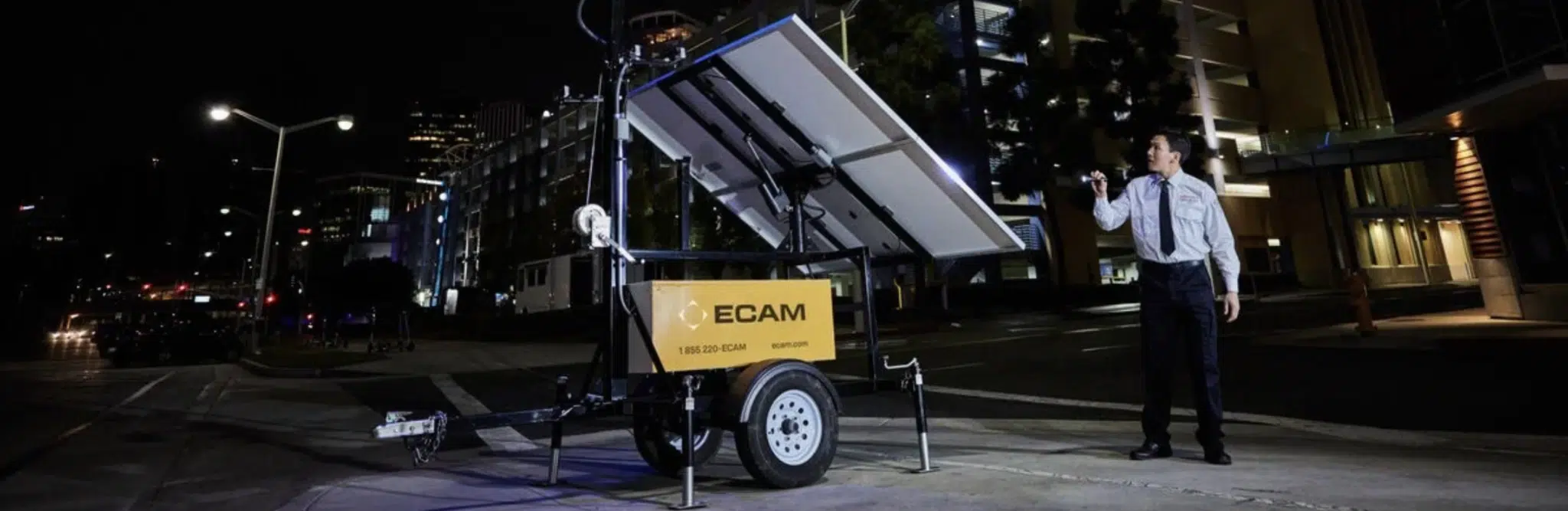
Mobile surveillance units bring cameras and supporting technology to locations where permanent installation may be difficult or unnecessary. Depending on the configuration, an MSU can include its own power and network connectivity, reducing reliance on infrastructure at the deployment point.
That flexibility is particularly relevant to retail parking lots. When incidents are concentrated in one section, an MSU can add a view directed toward that area without first extending permanent camera infrastructure across the property. Its visible presence can also support deterrence, while connected monitoring provides a way to assess activity and initiate an appropriate response.
Temporary changes create another use. During a tenant renovation, for example, an MSU may support coverage around a changed entrance or an exterior area that needs attention for a limited period. It can also provide coverage while a longer-term installation is being evaluated.
The placement still needs to match the task. An elevated camera does not see through parked delivery trucks, around building corners, or beneath every storefront canopy. A position that provides a useful parking lot overview may leave a nearby recessed door out of view. Mobile deployment offers flexibility, but the proposed views need to be checked from the actual location.
Keep Close Coverage Around Entrances
Storefronts and service doors often need a more specific view than an outdoor overview provides. The relevant activity may occur directly at the door, beneath an overhang, or along a narrow approach.
A fixed camera positioned for that location can provide consistent coverage of the area that matters. The installation should account for the entrance’s layout, lighting, and routine obstructions, including vehicles using a loading area.
Mobile and fixed cameras can therefore serve complementary roles. A shopping center might use an MSU to observe activity across a parking area while retaining fixed cameras at storefront approaches and service doors. The combined views can help a monitoring team understand where activity is developing and assess it more closely where suitable coverage exists.
This is especially useful when an incident moves between spaces. Coverage planning should examine the transition from a storefront to the adjoining walkway or parking area, including any point where visibility is lost. A site assessment can establish whether a different camera angle or an additional view would address that gap.
Match the Deployment to Each Retail Zone
The following comparison provides a starting point for a site assessment. The actual layout and required image detail should determine the final placement.
| Property zone | Coverage need | MSU fit | Fixed-camera fit | Deployment considerations |
| Open parking areas | Observe activity across a defined section | Flexible outdoor coverage near the concern | Ongoing views from suitable mounting points | Vehicle obstructions, distance, lighting |
| Storefront approaches | Assess activity near doors and walkways | Wider exterior approach where visible | Closer views of entrances and recessed areas | Canopies, pedestrian routes, tenant hours |
| Back doors and service areas | Observe doors and delivery approaches | Open service yards with usable sightlines | Door-specific views and narrow approaches | Delivery vehicles, access schedules, mounting |
| Temporary exterior changes | Cover altered routes or limited-duration needs | Repositionable coverage as conditions change | Suitable if the change becomes permanent | Safe placement, power, connectivity, reassessment |
Confirm the Site Can Support the Plan
Before deployment, the property and security provider should review the proposed locations together. A plan drawn on a site map needs to be checked against conditions on the ground.
- Sightlines and image detail: Confirm that each view supports its intended purpose at the relevant distance, including when the lot is occupied.
- Lighting: Check views during the hours that matter, particularly after dark. Address conditions that make activity difficult to assess.
- Power and connectivity: Match the equipment configuration to the site’s available power, solar exposure where relevant, and reliable video transmission.
- Placement and access: Allow space for the unit and servicing without obstructing customer routes, deliveries, or emergency access.
- Installation requirements: Confirm mounting needs, site access, approvals, and any preparation required before equipment arrives.
MSUs can reduce the permanent installation work involved in adding coverage, but deployment timing remains dependent on site readiness, equipment availability, and the proposed setup. Confirming those details early helps property teams establish realistic expectations with tenants and ownership.
Make Detection Useful to the Monitoring Team
The value of retail video security systems also depends on what happens when activity appears in the camera view. Equipment selection should include the detection and monitoring requirements for each location.
Computer vision analyzes video for visual information such as people or vehicles. In AI-assisted retail security systems, that analysis can help identify activity meeting configured criteria and reduce irrelevant alerts. Human review then adds the available site context before a response is selected.
At a service entrance, operating hours and expected deliveries help a monitoring professional interpret activity. In a parking area, the camera view needs to provide enough information to assess an alert. These requirements make placement and detection configuration part of the same planning discussion.
Live video monitoring connects that assessment to the agreed response. Depending on the event and available capabilities, operators may issue an audio warning, contact on-site security, or escalate to law enforcement. Monitoring hours, response contacts, and audio coverage where included should be established before the deployment goes live.
Keep Coverage Aligned as the Property Changes
After installation, review the actual views with the provider and confirm that recording, connectivity, detection, and the intended monitoring service are working. Any remaining blind spots should be understood and addressed in the coverage plan.
Later changes deserve the same attention. A relocated MSU needs its views and detection settings reassessed. A new delivery pattern, landscaping growth, or revised customer route may also affect coverage without any equipment having moved.
For portfolio owners and facilities leaders, consistency comes from applying the same assessment standards across properties. The equipment mix can vary with each site’s layout, infrastructure, and operating needs. Advance planning helps coordinate those differences with equipment availability and deployment priorities.
A well-planned deployment gives every camera a clear role and keeps the property team informed about what it covers. That makes the investment easier to explain and helps security keep pace with the retail environment it serves.
If your shopping center has areas that existing cameras cannot adequately cover, start by identifying the views and monitoring support those locations need. Explore retail security solutions to assess where mobile surveillance, fixed cameras, or a combination could fit your property.
Build a Stronger Security Strategy

Download Security Guides
Practical ebooks to help you strengthen your security and solve your challenges.

Discover Industry Security Solutions
See how ECAM protects your industry with solutions designed to deter crime, reduce losses, and keep operations moving.


