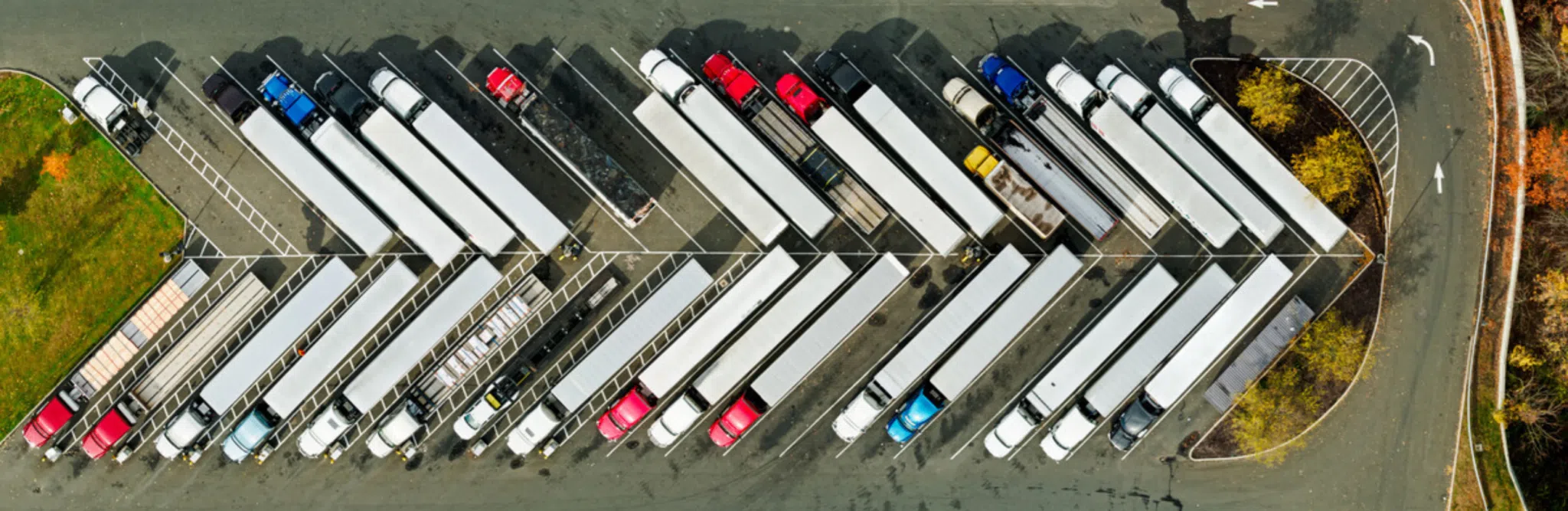



Cargo theft is becoming one of the fastest-growing security challenges across modern supply chains.
A recent analysis from Verisk CargoNet estimates that cargo theft losses across the United States and Canada reached nearly $725 million in 2025, representing a significant increase compared to previous years.
While the number of theft incidents remained relatively stable, the average value of stolen shipments increased dramatically, indicating that organized groups are increasingly targeting higher-value freight.
For distribution facilities that serve as central nodes in logistics networks, this trend highlights the need for stronger logistics security solutions that provide clear visibility across yards, docks, and staging areas where cargo temporarily sits between transportation stages.
Why Distribution Facilities Are a Key Target for Cargo Theft
Cargo theft is often associated with trucks on the highway, but distribution facilities frequently become primary targets.
These facilities temporarily concentrate large volumes of freight while shipments move between transportation stages. During these transition periods, cargo may sit in staging areas while awaiting:
- dock availability
- carrier pickup
- documentation processing
- inventory verification
These pauses create exposure.
In busy logistics environments, suspicious activity can easily blend into routine operations. Distribution video camera security helps maintain visibility across these areas where freight may remain unattended or loosely supervised.
How Organized Cargo Theft Is Evolving
The CargoNet report also highlights a shift in how cargo theft occurs. The average loss per theft exceeded $273,000 in 2025, reflecting a move toward more targeted operations rather than opportunistic theft.
Organized theft groups increasingly focus on shipments known to have strong resale value, including:
- food and beverage products
- metals such as copper
- electronics and computing equipment
In some cases, criminal groups exploit logistics systems themselves by impersonating legitimate carriers or manipulating shipment records to redirect freight. These evolving tactics require logistics security solutions that extend beyond basic surveillance and provide real-time awareness across operational environments.
Distribution Real-Time Video Surveillance in High-Risk Operational Zones
Cargo theft frequently occurs during moments when shipments pause inside the distribution environment. Common high-risk areas include:
- dock staging zones
- trailer yards
- outbound shipment areas
- facility perimeter access points
These environments experience constant movement from drivers, employees, and equipment, making it difficult to distinguish suspicious activity from normal operations. Distribution real-time video surveillance allows security teams to maintain situational awareness across these areas and identify unusual activity while shipments are still on site.
Distribution Live Video Monitoring Across Large Logistics Facilities
Large distribution facilities often span hundreds of thousands of square feet, with yards, docks, and staging areas spread across the property.
Distribution live video monitoring allows trained professionals to observe activity across these environments in real time.
This capability helps logistics teams:
- verify trailer activity in staging areas
- observe carrier pickups and departures
- monitor dock zones during peak shipping periods
- maintain visibility during overnight or low-staff periods
By introducing active oversight, distribution live video monitoring helps prevent incidents that might otherwise go unnoticed until after cargo is already compromised.
Logistics Remote Video Surveillance for Multi-Site Operations
Many logistics operators manage multiple facilities across regional or national networks. Maintaining consistent security across these sites can be challenging when on-site security resources vary.
Logistics remote video surveillance allows centralized security teams to maintain visibility across multiple facilities simultaneously. Combined with distribution remote video surveillance and distribution remote video monitoring, this approach allows organizations to monitor yards, docks, and staging areas without significantly increasing staffing requirements.
This scalability is one reason remote monitoring is becoming a core component of modern logistics security solutions.
Strengthening Logistics Security Without Slowing Operations
Distribution centers operate on tight schedules where delays can disrupt supply chains. Security strategies must support operational efficiency while still protecting cargo during its most vulnerable moments.
By integrating surveillance with operational awareness, logistics security solutions can help distribution facilities maintain visibility across high-risk areas without interfering with throughput or shipment flow. Technologies such as distribution remote video monitoring and distribution remote camera monitoring allow facilities to expand coverage while keeping operations moving efficiently.
Why Visibility Is Critical for Cargo Protection
Cargo theft is evolving. Criminal groups are becoming more strategic, focusing on high-value shipments and exploiting operational gaps across supply chains. Distribution facilities sit at the center of those supply chains, where freight pauses briefly between transportation stages.
Maintaining visibility across these environments is essential for protecting cargo, maintaining operational continuity, and strengthening overall logistics security. Modern logistics security solutions, supported by distribution live video monitoring and distribution real-time video surveillance, help organizations maintain that visibility when it matters most.
Cargo theft isn’t just a security issue. It’s a supply chain risk.
As cargo theft grows more organized and targeted, logistics operators are rethinking how they maintain visibility across staging areas, yards, and facility perimeters. Understanding where freight becomes vulnerable inside your distribution operation is the first step toward reducing exposure.