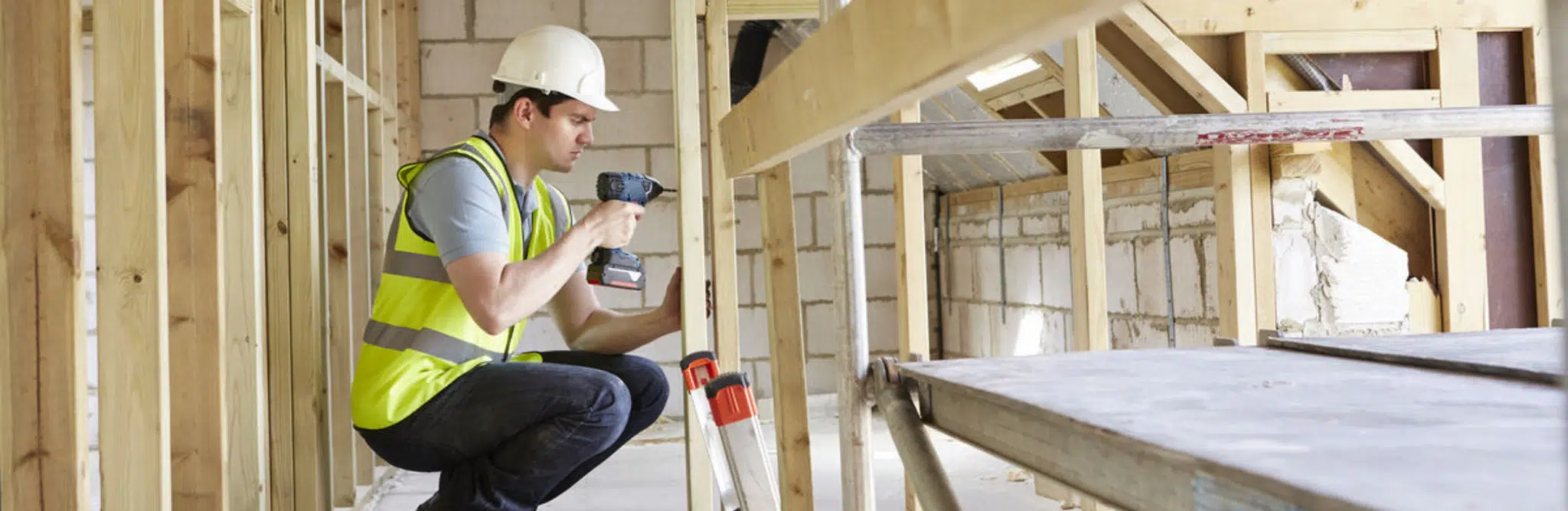



A construction site can look very different depending on the time of day.
During working hours, crews move throughout the site, deliveries arrive, equipment operates continuously, and project managers maintain visibility into daily activity. There is a natural level of oversight simply because people are present.
After hours, that dynamic changes completely.
Workers leave. Deliveries stop. Activity slows or disappears altogether. Yet the site itself remains filled with valuable materials, equipment, infrastructure, and partially completed work. The project may be inactive, but the risk is not.
This reality is one of the reasons construction site video monitoring has become an increasingly important component of modern jobsite security. It helps maintain visibility during the long periods when a project remains exposed but no one is actively watching.
The Hidden Hours of Construction Security
When most people think about construction security, they focus on what happens during the workday.
In reality, construction sites spend a significant portion of their existence unoccupied.
Even projects operating on aggressive schedules typically experience overnight periods, weekends, holidays, weather delays, and other interruptions where activity is limited or absent. Over the life of a project, these unattended hours often exceed the hours when workers are actively on site.
This creates a unique security challenge.
The site continues to hold value long after crews leave for the day. Materials remain stored on-site. Equipment stays parked in designated areas. Temporary infrastructure and partially completed work remain exposed to both intentional and unintentional damage.
Protecting those assets requires a security strategy that extends beyond the workday itself.
Why Traditional Construction Security Measures Have Limits
Most construction projects rely on a combination of physical security measures.
Fencing helps establish boundaries. Gates control access points. Lighting improves visibility. Security personnel or patrol services may provide additional oversight during high-risk periods.
These measures all play an important role, but they share a common limitation.
They are intermittent.
A patrol vehicle may visit the site periodically. Security personnel may focus on specific areas during specific times. Physical barriers create deterrence, but they do not provide awareness of what is happening across the entire project.
As construction sites grow in size and complexity, maintaining continuous visibility becomes increasingly difficult through traditional methods alone.
This is often where gaps begin to emerge.
How Construction Site Video Monitoring Creates Continuity
Construction site video monitoring introduces something that many traditional security measures cannot provide: continuity.
Rather than relying on periodic checks or post-incident investigation, video monitoring helps maintain visibility throughout the hours when no one is physically present. Cameras observe activity across the site while monitoring teams and supporting technologies help identify events that may require attention.
The goal is not simply to record footage.
The goal is to maintain awareness.
This distinction is important because many incidents develop gradually. Unauthorized access, suspicious activity, vandalism, and equipment misuse may begin long before a significant loss or disruption occurs. Continuous monitoring creates opportunities to identify and address these situations earlier.
In many cases, the value of monitoring comes not from documenting what happened, but from recognizing what is happening.
Why Remote Construction Site Monitoring Supports Project Growth
One of the challenges facing construction projects is that security requirements often change as the site evolves.
Early phases may focus on perimeter protection and equipment security. As the project progresses, material storage areas expand, access points shift, and new trades introduce different patterns of activity. Areas that were once low-risk can quickly become operational priorities.
Remote construction site monitoring provides flexibility as these changes occur.
Rather than relying on a fixed security model, project teams can maintain visibility across evolving conditions and adjust priorities as the site develops. This helps ensure that security strategies remain aligned with the current realities of the project rather than the conditions that existed months earlier.
For large or long-duration projects, that adaptability can be particularly valuable.
Beyond Theft Prevention
Construction security discussions often focus on theft.
While theft remains a significant concern, it is far from the only risk construction sites face after hours.
Unauthorized access can create safety hazards. Vandalism can delay schedules and increase costs. Equipment misuse can result in damage that impacts productivity long after the incident itself. Even seemingly minor after-hours activity can create operational disruptions if left unnoticed.
Construction live video monitoring provides visibility into a broader range of site conditions, helping project teams understand not only whether assets are protected, but also whether the overall environment remains secure and operationally stable.
This broader perspective makes monitoring valuable as both a security tool and a project management resource.
Construction Site Remote Video Surveillance as an Operational Asset
As construction projects become larger and more complex, security systems are increasingly expected to do more than simply deter crime.
Construction site remote video surveillance is becoming part of how organizations manage project continuity. Visibility into site activity supports better decision-making, more consistent oversight, and greater confidence that evolving risks can be identified before they become larger problems.
In this sense, monitoring becomes more than a security function.
It becomes a way to maintain awareness across an environment that is constantly changing.
Security During the Most Vulnerable Hours
Construction sites are often most vulnerable when they appear the quietest.
The absence of workers does not eliminate risk. In many cases, it increases the importance of visibility. The ability to understand what is happening on site after hours can make the difference between responding to an incident and preventing one from escalating.
Construction site video monitoring helps bridge this gap by extending awareness beyond the workday and providing continuity during the hours when projects remain exposed.
As construction schedules become more demanding and projects continue to grow in complexity, maintaining that continuity is becoming increasingly important.