
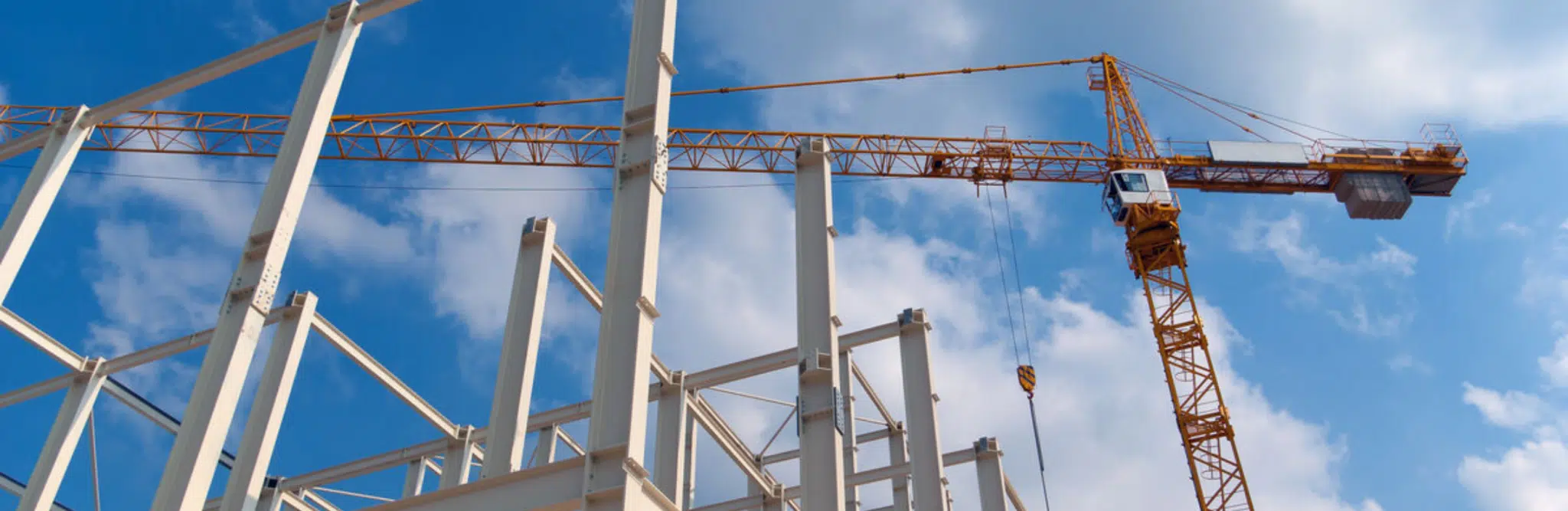



A construction site security plan is often created before the first piece of equipment arrives on site.
Project stakeholders identify potential risks, establish access controls, determine surveillance requirements, and outline procedures for protecting materials, equipment, and personnel. In theory, the plan serves as the blueprint for construction security throughout the life of the project.
The challenge is that construction projects rarely remain static.
From groundbreaking to project completion, sites continuously evolve. Layouts change, trades rotate, material storage areas move, and new phases introduce entirely different security concerns. Yet many construction site security plans remain largely unchanged after they are written.
This creates a disconnect between how the project operates and how it is protected.
The most effective construction security strategies recognize that security planning is not a one-time exercise. It is an ongoing process that must evolve alongside the site itself.
Security Risks Change Throughout the Life of a Project
Construction sites experience distinct phases of activity, each with its own operational and security challenges.
Early in a project, risks may center around equipment theft, unauthorized site access, or perimeter breaches. During active construction, attention often shifts toward protecting valuable materials, managing increased contractor activity, and maintaining visibility across expanding work areas.
Later phases may introduce entirely new concerns. As buildings become enclosed and systems are installed, sites often contain higher-value assets that attract different forms of risk. Access patterns change, storage locations move, and activity becomes concentrated in different parts of the property.
What creates risk during site preparation may have little resemblance to the challenges present during finishing work.
This constant evolution is one reason construction security requires a more adaptive approach than many other environments.
Why Fixed Security Plans Create Blind Spots
A common issue in construction security is the assumption that a plan developed at project kickoff will remain effective throughout the duration of the project.
In reality, construction sites are constantly redefining themselves.
Entrances and exits are relocated. Temporary fencing is adjusted. Material laydown yards shift as work progresses. New subcontractors arrive while others leave. Areas that were once inactive become central to daily operations.
When security planning fails to adapt to these changes, blind spots emerge.
Coverage may no longer align with high-value assets. Access control procedures may not reflect current traffic patterns. Surveillance systems may continue focusing on areas that no longer represent the greatest risk.
The problem is rarely that the original plan was incorrect.
The problem is that the site has changed.
How Construction Surveillance Systems Support Adaptive Security
Modern construction surveillance systems help bridge the gap between static plans and dynamic jobsite conditions.
Unlike traditional security measures that rely on periodic reviews, surveillance provides ongoing visibility into how a site is actually operating. Project teams can observe changes in activity patterns, identify emerging vulnerabilities, and adjust security priorities based on current conditions rather than outdated assumptions.
This creates a more responsive security strategy.
Instead of relying solely on scheduled audits or manual inspections, construction site surveillance provides continuous insight into the environment, helping stakeholders make informed decisions as the project evolves.
The result is a security program that can adapt alongside the site itself.
The Role of Construction Site Video Monitoring During Project Transitions
Some of the most vulnerable periods on a construction site occur during transitions.
New phases often introduce new risks. Material deliveries increase. Additional trades arrive on site. Access points are modified. Work areas expand or shift.
These moments of change can create uncertainty, particularly when security measures have not yet adjusted to the site’s new operating conditions.
Construction site video monitoring helps provide awareness during these transition periods. By maintaining visibility into evolving site activity, monitoring teams can identify unusual behavior, verify events, and support response when necessary.
This becomes especially valuable when project conditions are changing faster than traditional security processes can adapt.
Why Construction Live Monitoring Supports Continuous Planning
A security plan is ultimately a decision-making tool.
Its effectiveness depends on how accurately it reflects current conditions.
Construction live monitoring introduces a real-time layer of awareness that supports those decisions. Rather than relying solely on assumptions about site activity, project stakeholders gain visibility into what is actually happening across the property.
This allows security planning to become more proactive.
Instead of waiting for incidents to expose weaknesses, teams can identify changes in risk and adjust security measures accordingly.
Over time, this creates a more resilient approach to construction security, one that evolves alongside the project rather than lagging behind it.
Security Planning Should Be a Continuous Process
Construction projects are dynamic by nature.
The environments, assets, personnel, and risks associated with a site can change dramatically over the course of a project. Security strategies that remain fixed often struggle to keep pace with those changes.
The most effective construction site security plans are not treated as static documents. They function as living frameworks that evolve as conditions change, supported by surveillance, monitoring, and ongoing visibility into site operations.
As projects become larger, more complex, and more fast-moving, that adaptability becomes increasingly important.Connect with ECAM to explore how construction surveillance and monitoring can help support a living construction site security plan.
Build a Stronger Security Strategy

Download Security Guides
Practical ebooks to help you strengthen your security and solve your challenges.

Discover Industry Security Solutions
See how ECAM protects your industry with solutions designed to deter crime, reduce losses, and keep operations moving.