



Property managers rarely worry about abstract security threats. What keeps them up at night are the conversations that follow an incident. A resident walks into the leasing office after their car has been broken into. A package goes missing from the delivery room. A gate records access, but someone still tailgates inside.
In multifamily communities, security is personal. It affects renewals, online reviews, and the overall sense of comfort residents expect from the place they call home. Multi-family residential live video surveillance is increasingly less about reviewing footage after the fact and more about maintaining active oversight in the spaces residents use every day.
The Challenge Isn’t Access. It’s Oversight.
Most apartment communities already have some form of access control in place. Key fobs, gate codes, and intercom systems create structure around who can enter and when. Multi-family residential gate security entry management establishes rules, but it does not always provide accountability.
When someone follows a vehicle through a controlled entry gate or a door is propped open during a busy move-in weekend, the system may log access without addressing behavior. Access technology tracks activity, but it does not necessarily verify intent or intervene in real time.
This is where multi-family residential real-time video monitoring becomes a critical complement. It adds visibility and oversight to access control, particularly in high-traffic or high-risk entry points.
Residents Measure Security by Outcomes, Not Equipment.
Cameras mounted in hallways or garages do not automatically create confidence. Residents evaluate security based on what happens when something goes wrong and how quickly it is addressed.
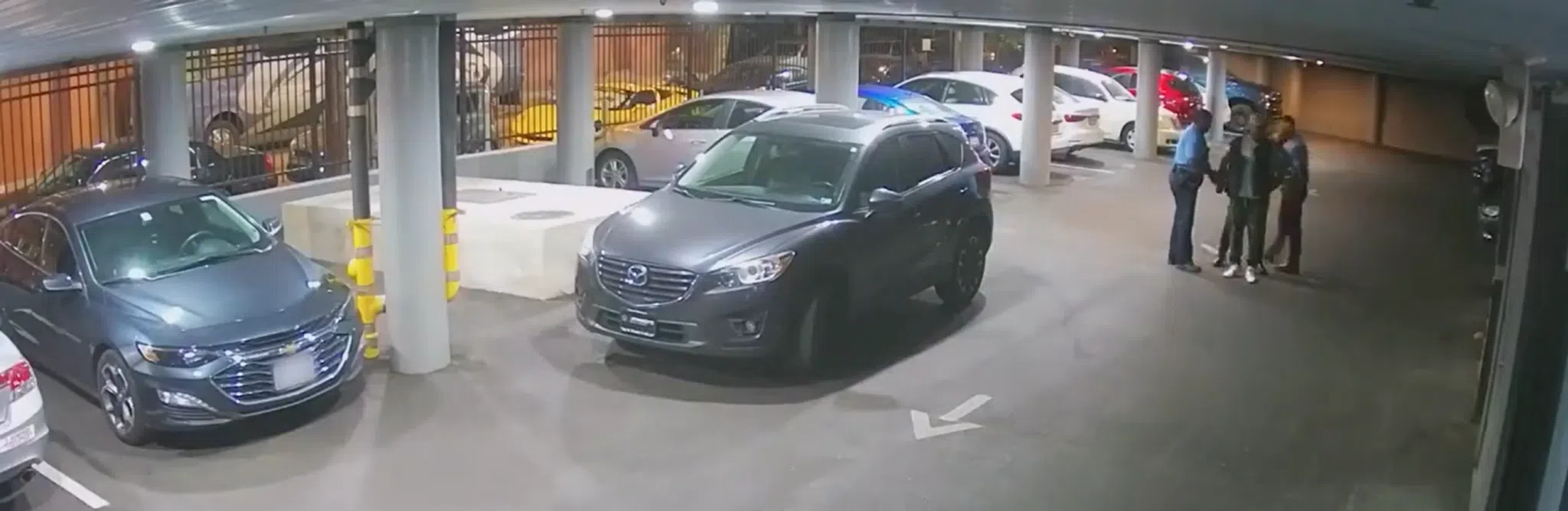
Multi-family residential live video surveillance shifts the focus from passive recording to active awareness. When monitoring is live, suspicious activity in parking structures, package rooms, or amenity spaces can be identified and escalated before it escalates into a pattern of repeated incidents. That responsiveness directly influences how residents perceive the property’s commitment to their safety.
Shared Spaces Carry Shared Risk.
The highest-risk areas in multifamily properties are rarely inside individual units. They are the common areas every resident uses daily. Parking garages, surface lots, package rooms, fitness centers, and clubhouses represent shared environments where responsibility overlaps and exposure increases.
Multi-family residential security surveillance should prioritize these locations because they shape the daily resident experience. Multi-family residential remote video monitoring allows oversight to continue overnight and during weekends when on-site staffing may be limited, helping property managers maintain visibility without significantly increasing operational costs.
Why Real-Time Monitoring Matters in Residential Communities.
In a commercial setting, an incident might disrupt operations. In a residential setting, it disrupts someone’s sense of home. That difference changes the stakes.
Multi-family residential real-time surveillance allows potential issues to be identified and addressed as they develop. Multi-family residential remote monitoring extends that awareness into evenings and low-visibility hours when incidents are more likely to occur. This proactive approach reduces repeat events and reinforces the perception that the property is actively managed and protected.
Security as a Retention and Reputation Strategy.
In competitive rental markets, security influences leasing decisions as much as amenities. Prospective residents notice visible surveillance infrastructure, and current residents evaluate management based on how effectively concerns are handled.
Modern multifamily security systems integrate live video monitoring, remote oversight, and coverage across high-traffic shared spaces. Multi-family residential live video monitoring becomes part of a broader strategy that supports resident retention, protects property reputation, and strengthens long-term asset value.
Building Communities Where Residents Feel Secure.
Apartment communities are dynamic environments with hundreds of daily interactions across shared spaces. Multi-family residential live video surveillance provides the visibility needed to manage those environments proactively. When combined with real-time and remote monitoring strategies, it helps property managers reduce incidents, respond more effectively, and foster greater resident confidence.
Security impacts more than safety. It impacts renewals.
When incidents affect resident confidence, they also affect retention and online reputation. Proactive video surveillance and real-time monitoring can help you stay ahead of those risks.
Build a Stronger Security Strategy

Download Security Guides
Practical ebooks to help you strengthen your security and solve your challenges.

Discover Industry Security Solutions
See how ECAM protects your industry with solutions designed to deter crime, reduce losses, and keep operations moving.