



Why Modern Data Centers Require Layered, Intelligence-Driven Security
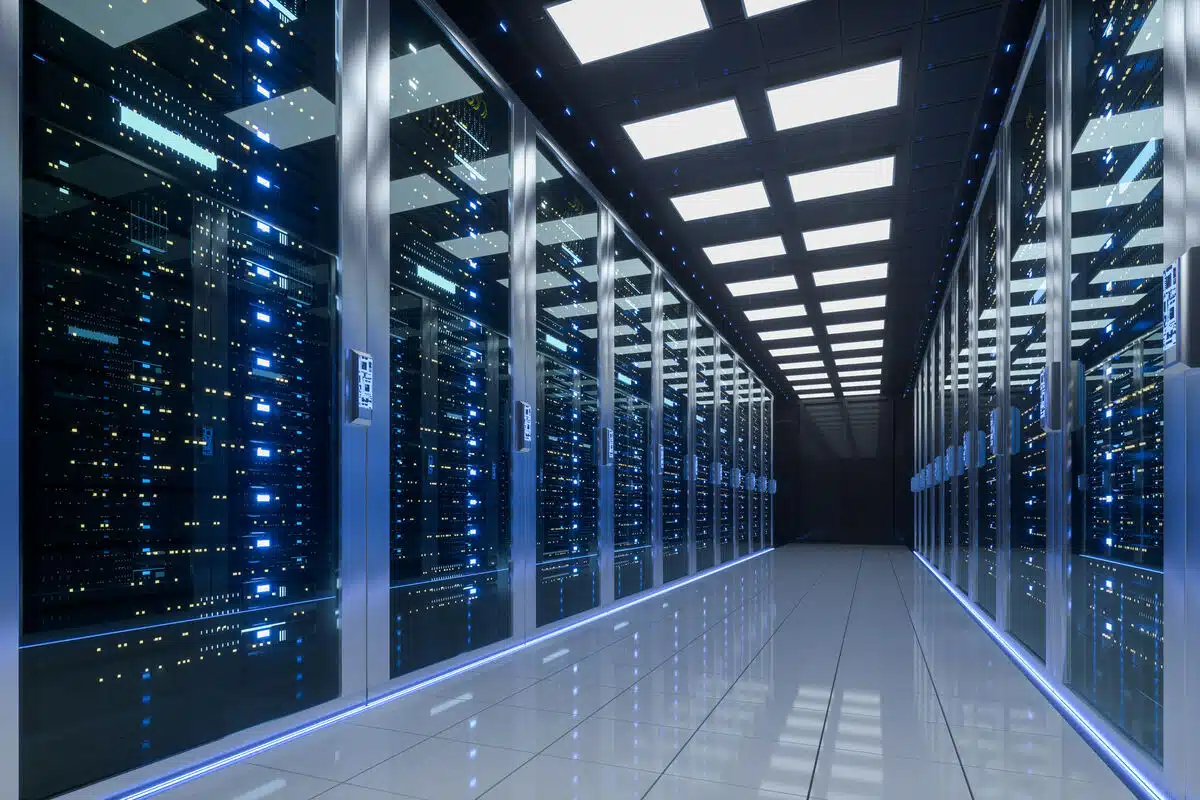
Today’s data centers are far more than buildings filled with servers.
They are mission-critical infrastructure supporting cloud computing, financial systems, healthcare networks, AI workloads, telecommunications, and global enterprise operations. As reliance on digital infrastructure continues to grow, so does the need for advanced physical security strategies capable of protecting these high-value environments from evolving threats.
Modern data center security is no longer limited to locks, cameras, and guards. Leading operators are adopting layered, intelligence-driven security models designed to provide continuous visibility, real-time threat detection, and coordinated response across every part of the facility.
Why Data Center Physical Security Matters More Than Ever
Data centers face a unique combination of physical, operational, and cybersecurity risks.
Even a minor security failure can result in:
- Operational downtime
- Service disruptions
- Data exposure
- Regulatory violations
- Financial loss
- Reputational damage
Because uptime and continuity are essential, physical security strategies must be designed to eliminate single points of failure while maintaining strict control over access, movement, and monitoring across the facility.
This is why modern data centers rely on multi-layered security architectures that create overlapping protection at every stage of access.
The Six Layers of Data Center Physical Security
Effective data center security begins long before someone reaches the server room.
Leading facilities implement multiple security layers designed to continuously verify identity, monitor activity, and restrict unauthorized access throughout the environment.
1. Site Perimeter Security
The first layer of protection begins at the outer perimeter.
Security fencing, vehicle barriers, gates, and surveillance systems help establish clear boundaries while deterring unauthorized access attempts before they reach the facility itself.
AI-enabled perimeter monitoring and live surveillance can strengthen this layer by helping security teams identify suspicious activity in real time and respond faster to potential threats.
2. Campus Entry and Vehicle Access Control
All vehicles, vendors, contractors, employees, and visitors entering the campus should pass through controlled access points where authorization is verified.
This layer is critical for managing:
- Vehicle screening
- Visitor verification
- Delivery coordination
- Traffic flow
- Access permissions
Real-time video monitoring and intelligent analytics help security teams validate vehicle activity, identify anomalies, and improve visibility during high-volume access periods.
3. Building Access Security
Once inside the campus perimeter, additional controls are required to secure entry into the building itself.
This layer typically includes:
- Badge access systems
- Visitor management platforms
- Security personnel
- Entry screening procedures
- Access logging and audit trails
Modern organizations are increasingly augmenting onsite personnel with centralized monitoring to improve policy enforcement, operational consistency, and real-time incident visibility across multiple access points.
4. Security Operations and Monitoring Centers
A centralized command layer acts as the operational core of the facility’s physical security program.
This layer provides:
- Continuous monitoring
- Incident coordination
- Alarm management
- Threat escalation
- Situational awareness across the property
AI-driven analytics and centralized monitoring platforms help security teams detect threats earlier while improving response coordination across large or multi-site data center environments.
5. Data Hall and Restricted Area Access
The data hall is one of the most sensitive areas inside the facility and requires strict access controls.
Organizations often implement:
- Multi-factor authentication
- Biometric verification
- Role-based access permissions
- Anti-tailgating systems
- Continuous monitoring
AI-powered analytics can also help identify unusual movement patterns, unauthorized presence, or suspicious behavior before risks escalate into operational threats.
6. Asset Handling and Hardware Destruction
Physical security extends beyond active infrastructure.
End-of-life hardware, storage devices, and sensitive components must also be securely managed to prevent theft, tampering, or data leakage.
Continuous monitoring, documented chain-of-custody procedures, and verified destruction processes help organizations maintain compliance and reduce risk throughout the asset lifecycle.
Where Traditional Data Center Security Models Fall Short
Most data centers already have layered security systems in place.
The problem is often not the design of the security architecture, but the operational execution behind it.
Common challenges include:
- Inconsistent guard performance
- Limited visibility across facilities
- Delayed response times
- Disconnected systems
- Excessive reliance on manual processes
- Difficulty scaling security operations efficiently
When systems operate independently without centralized intelligence or coordination, gaps emerge that sophisticated threats can exploit.
The Shift Toward Intelligence-Led Security
Modern data center operators are moving away from purely reactive security models and toward proactive, intelligence-driven approaches.
This shift combines:
- AI-powered threat detection
- Centralized monitoring
- Human-augmented response
- Integrated operational visibility
- Scalable security infrastructure
Instead of relying solely on increasing headcount, organizations are using technology and centralized oversight to improve consistency, reduce response times, and strengthen overall situational awareness.
How AI and Centralized Monitoring Improve Data Center Security
AI-enabled monitoring platforms help identify threats and operational anomalies that traditional systems or human observation alone may miss.
These technologies can assist with:
- Perimeter intrusion detection
- Tailgating identification
- Unauthorized access monitoring
- Suspicious behavior recognition
- Vehicle tracking
- Real-time alerting
- Operational analytics
Combined with trained security personnel and centralized command centers, organizations gain a more proactive and scalable security posture.
The Future of Data Center Security Is Layered and Connected
As digital infrastructure becomes increasingly critical to business operations, physical security strategies must evolve alongside the threats targeting these environments.
The future of data center physical security depends on systems that are:
- Intelligent
- Connected
- Continuously monitored
- Operationally integrated
- Capable of real-time response
Organizations that adopt layered, intelligence-driven security models are better positioned to reduce risk, improve operational continuity, and protect the infrastructure powering modern business.
Why Modern Data Center Security Requires More Than Surveillance
Physical security is no longer just about preventing unauthorized access.
It is about maintaining operational resilience, ensuring continuous visibility, and enabling proactive threat prevention across every layer of the facility.
By combining AI-driven monitoring, centralized intelligence, and human expertise, organizations can move beyond static protection models and create security operations designed for the demands of modern critical infrastructure.
Because in today’s data center environment, every layer matters.
Build a Stronger Security Strategy

Download Security Guides
Practical ebooks to help you strengthen your security and solve your challenges.

Discover Industry Security Solutions
See how ECAM protects your industry with solutions designed to deter crime, reduce losses, and keep operations moving.