







Trespassing is entering or staying on someone’s property without permission. This act can lead to legal consequences. In this post, we will break down the trespassing definition, its types, and its legal implications.
Key Takeaways
- Trespassing is the act of knowingly entering or remaining on someone else’s property without permission.
- Laws around trespassing have evolved from common laws to addressing modern issues of property rights and personal privacy. It’s important for property owners and trespassers to understand the legal definition.
- Preventative measures against trespassing include physical barriers, surveillance systems, and clear signage which are key to protecting your property and reducing vandalism and theft.
Understanding Trespassing Definition
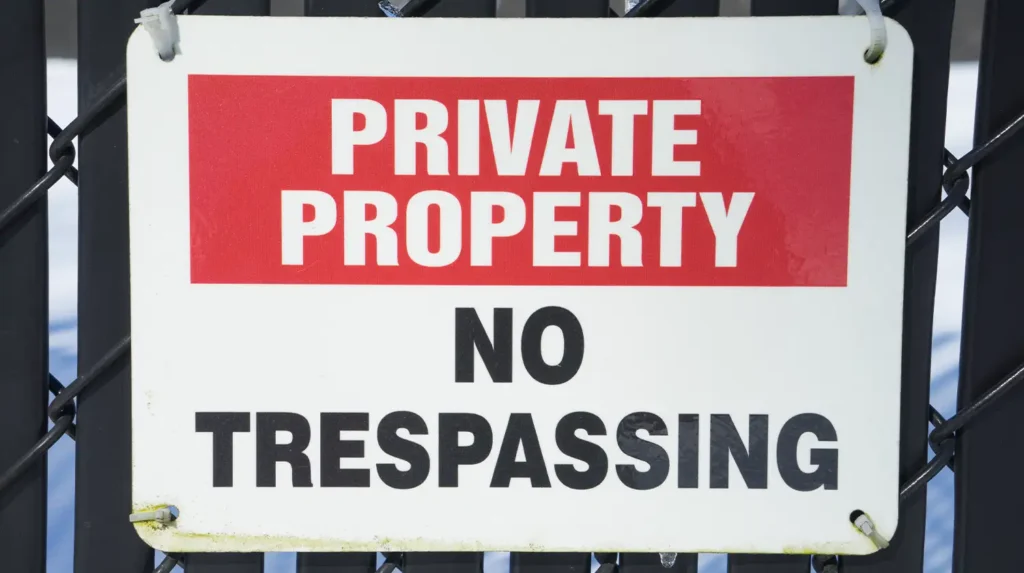
Trespassing is entering someone else’s property without permission, violating the owner’s rights. This is not just a physical act but a legal one that can have serious consequences. Interestingly a trespasser doesn’t have to intend to trespass, they just have to intend to enter or stay on the property.
The laws around trespassing date back to common law which was designed to protect personal property and space. These laws have evolved as our attitudes about property ownership and personal privacy have changed. Modern trespassing laws must balance the privacy ofproperties with commercial property owners’ rights as society changes.
Knowing the legal definition and consequences of trespassing can help navigate property rights and keep everyone safe.
What is the Trespassing Definition?
Trespassing comes from the Old French word ‘trespasse’ meaning to pass beyond or over. At its core, the trespassing meaning is a violation of the owner’s rights and can lead to property damage, legal disputes, and safety risks for both property owners and trespassers.
In tort law, a person can be liable for trespassing on land simply by intending to enter or remain on the property even if they didn’t know it was someone else’s. This is important as it highlights the importance of intent in determining liability for trespassing.
Types of Trespassing
Trespassing can take many forms. Here are the various types of trespassing:
| Trespassing on Land | Entering or remaining on someone else’s property without permission. Examples: using someone’s dock or yard without permission. |
| Trespassing in Buildings | Unlawfully entering a building (home or office) that you don’t have permission to be in. This is a more serious offense than just trespassing on the land. |
| Vehicle Trespassing | Entering or messing with someone else’s vehicle that doesn’t belong to you (sleeping in or stealing from someone’s car). This is a specific type of trespass on personal property. |
| Aggravated Trespass | The most serious type of trespassing – where the person enters the property with the intent to commit another crime (e.g. breaking into a home to steal). The added criminal intent makes this an aggravated offense. |
Regardless of the type, any trespass on private or restricted public property without permission can get you charged, especially if you cause damage, make threats, or refuse to leave when asked. Property owners take these violations very seriously and will pursue legal action against those who enter their land or buildings illegally.
Legal Requirements for Trespassing
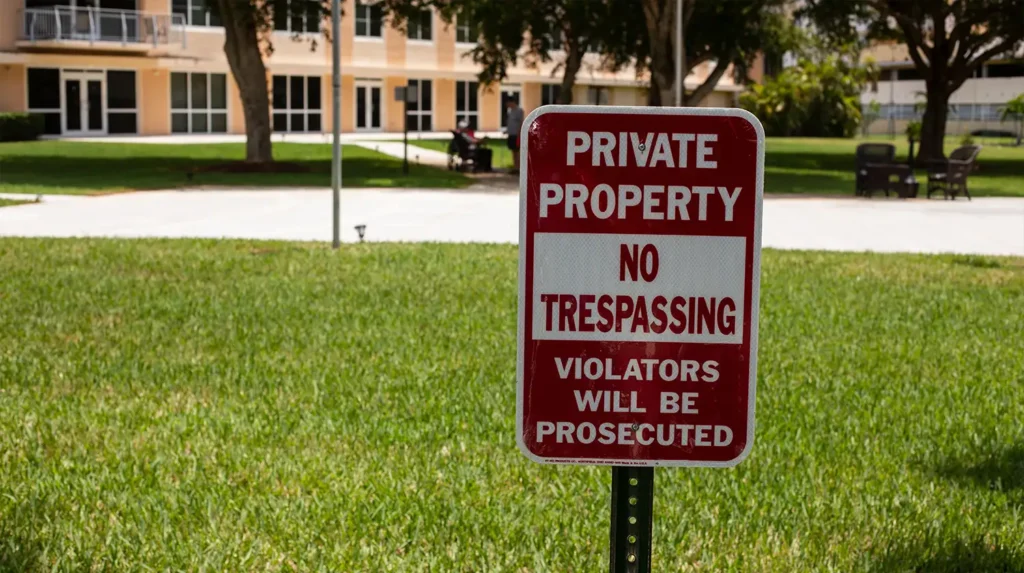
Entering someone else’s land without permission is trespassing and can be a crime, a civil wrong, or both. To trespass legally, intent is required for both civil and criminal trespassing; accidental entry doesn’t count as trespassing. There are different legal frameworks for trespass, both tort law and criminal law, and you can enter wrongfully, commit a wrongful entry, or unlawful act, and face legal consequences.
Property owners can give express consent through written or verbal permission. Trespassing can result in legal consequences even if no harm is proven. Legal defenses to trespassing claims may be necessity or lack of intent to trespass. Evidence such as photos or videos can support a trespassing complaint and help in legal proceedings.
Common Places for Trespassing Incidents
Property crimes happen in parking lots and garages, retail properties, and commercial buildings. These areas are targeted because they are easy to get to and tend to have lots of areas for loitering and unauthorized activity. Many commercial properties put up ‘No Trespassing’ signs to help deter loitering and trespassing.
In some cities, property owners put up signs that say they allow access only during business hours, so they become no-trespassing zones at other times. Surveillance in commercial parking structures can help deter trespassing by monitoring unusual activity.
Trespassers also target construction sites. There are many things on a job site that are tempting to people, including tools, materials, and equipment that are often sitting out in the open.
Trespassing can lead to vandalism, theft, and other crimes. It is a safety risk and can lead to lawsuits if trespassers get hurt. Commercial entities put up ‘Private Property’ signs to justify towing vehicles and to tell you to only be on someone else’s property for business purposes.
Trespassing laws differ by jurisdiction and some areas consider specific parking signs as legally binding even if they don’t say ‘No Trespassing’.
Effect of Trespassing on Business
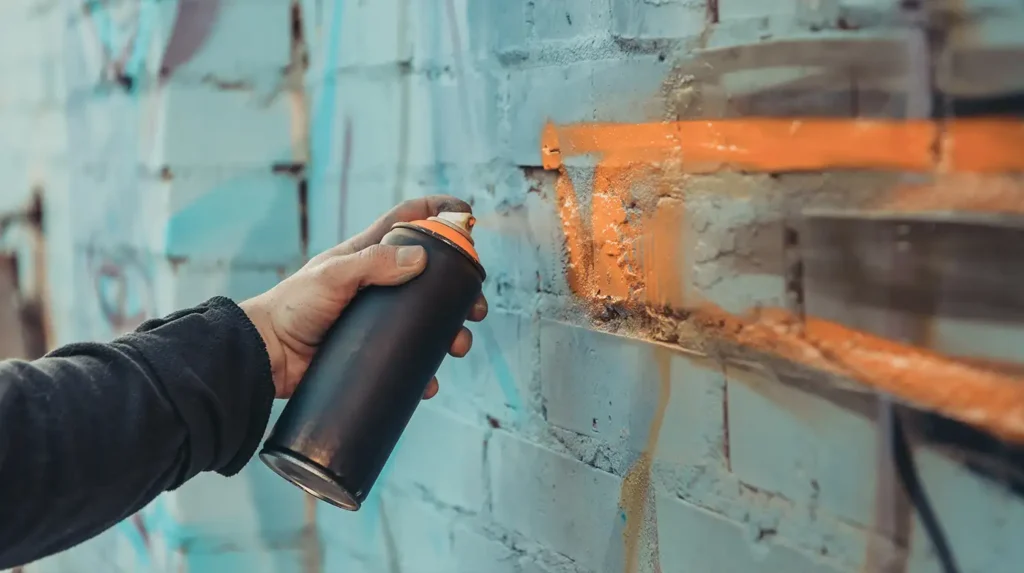
Trespassing can lead to vandalism and theft which can be a big risk to employees and customers. Parking lots and garages are hotspots for property crimes, which can affect business. Giving the perception of safety is key.
Visible damage, loitering, and theft caused by trespassers can make people feel unsafe, which could cause businesses to lose tenants, vendors, and customers. Many parking structures have restrictions not only to limit trespassing but also to have a clear space for patrons and to deter criminal activity.
The bottom line is retail properties can suffer big financial losses from unpaid damages, lawsuits, insurance claims, out-of-pocket expenses, additional marketing fees, damage from online reviews, staff turnover, and customer dissatisfaction – all of which can be caused by trespassers on the premises.
How to Deter Trespassing

Combating trespassing requires a multi-layered approach, physical barriers, good lighting, and advanced security systems. Fences, especially mesh wire fences, are a good first line of defense to help prevent unauthorized entry to private property. Posting clear and visible ‘No Trespassing’ signs can give you grounds to deal with trespassers.
Motion sensors and floodlights are good lighting options, as intruders will have nowhere to hide. Alarm systems are a tool to alert the property owner of unauthorized access and can be enhanced with strobe lights for extra deterrents.
By designating physical or other barriers, access control systems can also improve the security of a shopping center against unauthorized visitors. Trespassing attempts could be detected and deterred through biometric scanners, digital tracking, or real-time monitoring. Monitored security cameras can discourage potential intruders and provide immediate documentation of any security breach. The presence of access control systems and security cameras acts as a deterrent against many crimes, making the shopping center a safer place for all customers, retailers, and employees.
Role of Remote Video Monitoring in Deterrence
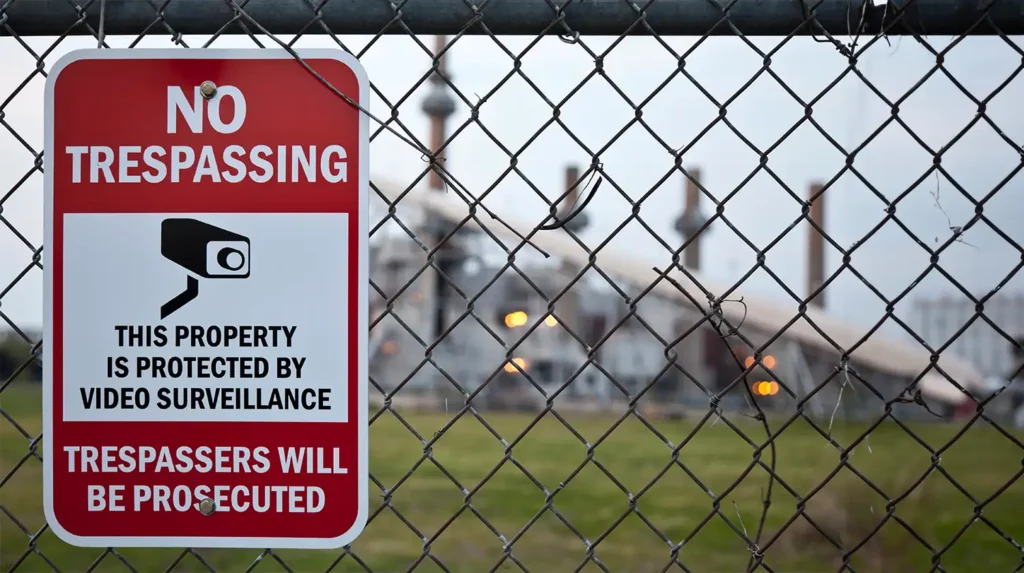
Remote video monitoring is a proactive security solution where trained monitoring operators watch properties in real time through cameras placed strategically around the property, to help detect unusual activity and call onsite guards, property managers, and/or police. Remote video monitoring allows for immediate response to potential trespassers through live viewing and intervention.
AI and machine learning in video monitoring systems can detect unusual behavior and potential threats. Cameras with AI can send real-time alerts to monitoring operators and the footage can be used as evidence of trespassing incidents.
Trespassing Defenses
There are several defenses for someone who is charged with trespassing. These can reduce or eliminate liability for the alleged trespass. Here are some of the defenses:
- Permission: If you had permission to be on the property, you’re not liable for trespassing. This can be explicit (verbal or written invitation) or implied (open business during business hours).
- Necessity: If you entered the property out of necessity (to prevent harm to yourself or others) you’re not liable for trespassing. For example, seeking shelter during a hurricane can be a valid defense.
- Mistake: If the individual thought they had permission to be on the property, they’re not liable for trespassing. This applies when the mistake is reasonable (e.g. entering a property with unclear boundaries).
- Public Necessity: If the individual entered the property for a public purpose (to prevent a crime or to protect public safety) they’re not liable for trespassing. This is often used by law enforcement or emergency responders acting in the public interest.
Understanding these defenses can help individuals navigate legal challenges related to trespassing and protect their rights.
Legal Remedy for Trespassing Victims
Trespassing victims can sue, file civil lawsuits, and get injunctions to stop it from happening again. Property owners can recover damages for emotional distress, lost profits, and lost rental income from trespassing. In tort law, property owners can claim nominal damages even if no actual damage occurs, so they have valid legal claims for property torts related to trespassing.
Monitoring system video footage is key to supporting legal claims, identifying trespassers, and providing evidence. This evidence can be useful in court to back up the property owner’s case against the trespasser.
Related Terms
There are many related terms to trespassing including encroach, infringe, and invade. In a legal sense, these synonyms have the same trespassing meaning but with slightly different connotations. For example, encroach means to gradually intrude onto someone else’s property, while invading means to force your way in.
Conclusion
Understanding the different aspects and legal implications of trespassing is key to protecting property rights and personal security. Property owners can minimize risks by recognizing common trespassing hotspots and taking preventive measures. Remote video monitoring helps deter intruders and provides evidence if needed. A look back at the history of trespassing laws gives us more insight into this complex issue.
To learn more about proactive security solutions to help deter trespassers at retail centers and other commercial properties, contact us.
Frequently Asked Questions
What is the meaning of trespassing?
Trespassing is the act of entering or remaining on someone else’s property without permission.
How can a business benefit from a live video monitoring company?
By working with a live video monitoring company, an enterprise can have continuous monitoring by trained professionals. These operators can respond to suspicious activity and provide evidence of liability claims.
This preventive measure not only helps enhance security but also can reduce potential financial losses.
Where do property crimes occur?
Property crimes occur in parking lots and garages, retail properties, construction sites, office buildings, and other commercial properties. These areas are targeted because of typically lower security measures and high foot traffic.
How does trespassing affect employees, vendors, and customers?
Trespassing affects employees, vendors, and customers by creating an unsafe environment, loss of trust, and potential loss of business and customers.
This can compromise the overall integrity and security of the business.
How can you deter trespassing on business properties?
Putting up fences, posting signs, ensuring good lighting, working with law enforcement, and remote video monitoring are ways to prevent trespassing on commercial property. These security measures will deter would-be trespassers by showing a visible security presence.
Build a Stronger Security Strategy

Download Security Guides
Practical ebooks to help you strengthen your security and solve your challenges.

Discover Industry Security Solutions
See how ECAM protects your industry with solutions designed to deter crime, reduce losses, and keep operations moving.




