



Protecting critical infrastructure isn’t simply a matter of installing cameras.
Energy organizations are responsible for securing some of the most challenging environments in any industry. Electrical substations, transmission corridors, renewable energy facilities, battery storage sites, utility yards, and active construction projects often span large geographic areas, operate with limited on-site personnel, and support services that entire communities depend on every day.
These facilities also face very different security risks than traditional commercial properties.
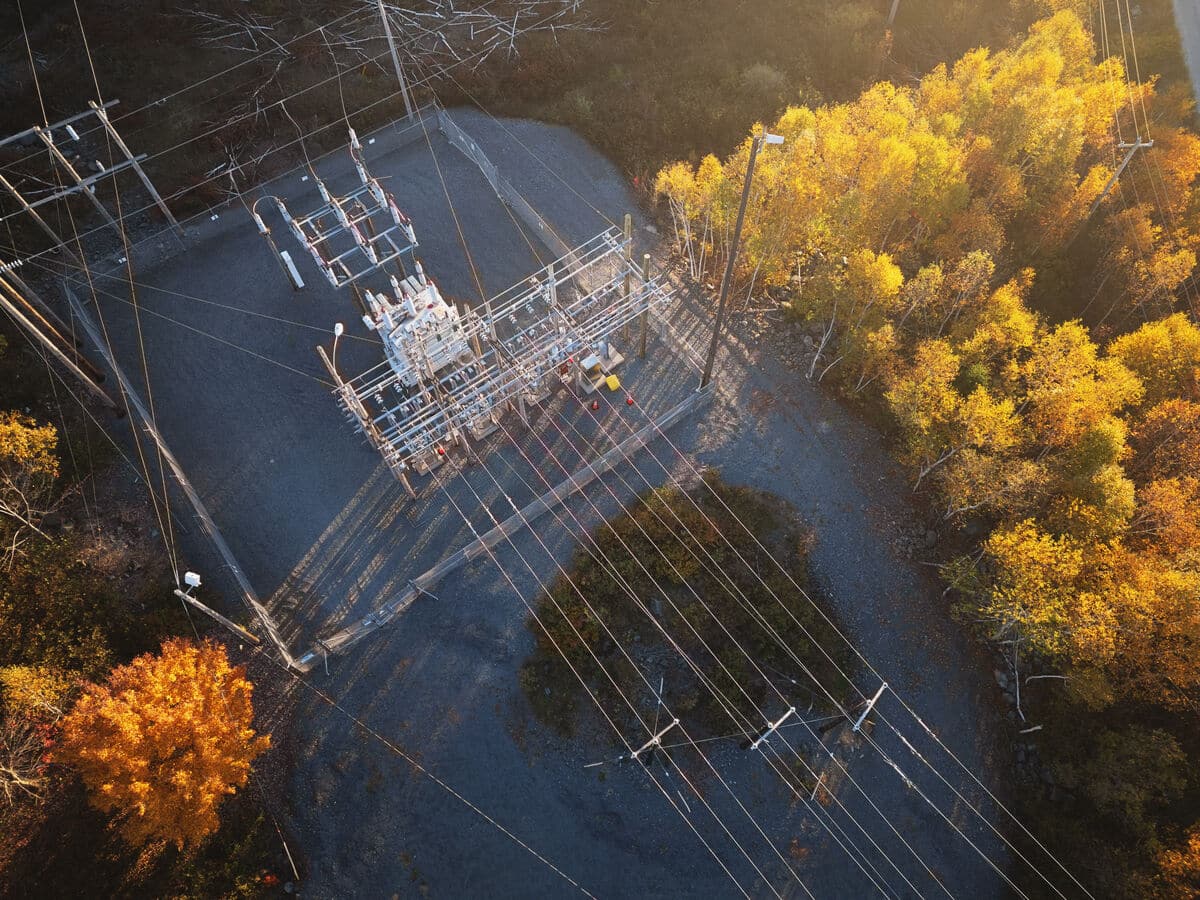
A substation may be vulnerable to copper theft that disrupts electrical service. A transmission corridor may stretch for miles through remote terrain. A solar farm may contain hundreds of acres of valuable equipment with only occasional personnel on site. Construction projects must protect expensive materials while site layouts change almost daily.
Because every environment presents different operational challenges, organizations need energy security camera solutions that adapt to each facility rather than relying on a one-size-fits-all approach.
This guide explores how modern surveillance helps protect the energy sector’s most critical infrastructure while improving operational resilience, reducing risk, and supporting faster response across remote facilities.
Why Remote Infrastructure Is So Difficult to Secure
Few industries manage assets as geographically dispersed as the energy sector.
A single utility may operate:
- Hundreds of substations
- Dozens of maintenance yards
- Renewable energy facilities
- Battery storage sites
- Pump stations
- Transmission infrastructure
- Active construction projects
Many of these locations are separated by significant distances and operate without permanent on-site security personnel.
Traditional security methods become increasingly difficult to scale across these environments.
Guard patrols may only visit facilities periodically.
Fixed CCTV records activity but may not alert anyone until hours later.
Maintenance personnel often arrive after an incident has already occurred.
Meanwhile, threats continue to evolve.
Organizations must contend with:
- Copper theft
- Unauthorized access
- Vandalism
- Equipment theft
- Vehicle incursions
- Organized criminal activity
- Weather-related operational challenges
The consequences frequently extend beyond damaged property.
Security incidents can delay infrastructure projects, interrupt maintenance activities, require emergency repairs, and increase operational risk across critical infrastructure.
Modern energy security camera monitoring helps bridge this gap by providing continuous visibility across facilities that would otherwise be difficult to supervise.
Rather than relying solely on periodic patrols, organizations gain real-time awareness of developing situations across their infrastructure portfolio.
Securing Electrical Substations
Substations represent some of the most important assets within the electrical grid.
While they often become associated with copper theft, protecting these facilities involves much more than safeguarding valuable materials.
Substations support electrical distribution for homes, hospitals, manufacturers, transportation systems, and other critical services.
Damage to transformers, switchgear, grounding systems, or perimeter infrastructure can contribute to service interruptions, emergency repairs, and costly operational disruptions.
Because many substations operate without permanent personnel, early detection becomes especially important.
An effective energy CCTV security camera solution should provide visibility across:
- Fence lines
- Access gates
- Transformer yards
- Equipment storage areas
- Vehicle entrances
- Restricted operating zones
Combined with AI-powered analytics and live video monitoring, surveillance helps identify unauthorized access before intrusions escalate into equipment damage or operational outages.
Just as importantly, detailed incident documentation helps security teams coordinate with operations personnel and law enforcement when investigations become necessary.
Protecting Transmission Corridors
Transmission infrastructure presents one of the industry’s most unique security challenges.
Unlike fixed facilities, transmission assets extend across long distances through rural, industrial, and environmentally challenging terrain.
These environments often contain:
- Remote access roads
- Temporary work zones
- Construction staging areas
- Specialized equipment
- High-value materials
Continuous physical patrols across these corridors are rarely practical.
Instead, many organizations deploy surveillance strategically at critical access points, maintenance facilities, and temporary work locations while using mobile technologies to expand coverage where permanent infrastructure does not exist.
This approach allows utilities to maintain greater awareness across isolated assets while improving response to verified security events.
Rather than attempting to watch every mile of infrastructure equally, security resources can be concentrated where operational risk is greatest.
Security for Solar, Wind and Battery Storage Sites
Renewable energy continues to reshape the energy landscape.
Along with new opportunities come new security requirements.
Solar farms, wind energy facilities, and battery energy storage systems often occupy expansive sites with minimal daily staffing.
Their locations may include:
- Remote agricultural areas
- Desert environments
- Rural utility corridors
- Industrial developments
These facilities frequently contain high-value electrical equipment distributed across hundreds, or even thousands, of acres.
Protecting them requires a different strategy than securing a traditional commercial property.
Solar Energy Facilities
A solar energy security camera strategy should focus on maintaining visibility across perimeter access points while monitoring inverter stations, electrical equipment, storage areas, and maintenance facilities.
Because personnel may only visit periodically, early detection helps reduce unauthorized access before equipment is damaged or stolen.
Wind Energy Sites
Wind farms often span exceptionally large geographic areas.
Security programs typically prioritize:
- Access roads
- Operations buildings
- Maintenance compounds
- Equipment storage
- Temporary contractor areas
Centralized monitoring allows organizations to maintain visibility across multiple turbines without requiring continuous on-site staffing.
Battery Energy Storage Systems
Battery storage facilities play an increasingly important role in maintaining grid stability.
Although generally smaller than solar or wind installations, these sites protect critical electrical infrastructure supporting utility operations.
Security priorities typically include:
- Controlled access
- Continuous monitoring
- Early intrusion detection
- Incident documentation
- Emergency response coordination
Because battery systems support overall grid resilience, protecting them also supports broader operational continuity.
Using Mobile Surveillance Units During Construction and Emergencies
Some of the most important energy infrastructure doesn’t exist permanently.
Construction projects.
Transmission upgrades.
Storm recovery.
Emergency restoration.
Temporary substations.
These environments change continuously.
Permanent surveillance systems aren’t always practical during these phases.
This is where mobile surveillance units become particularly valuable.
Unlike permanently installed camera systems, mobile units can be deployed rapidly to locations where security requirements evolve as quickly as the project itself.
Common applications include:
- Substation construction
- Transmission expansion projects
- Material staging yards
- Temporary contractor compounds
- Storm recovery operations
- Emergency infrastructure repairs
As work progresses, surveillance assets can be relocated to protect new work areas without requiring extensive infrastructure investment.
This flexibility allows organizations to maintain continuous security coverage throughout every phase of a project.
Following severe weather events, mobile surveillance also helps secure damaged infrastructure, replacement equipment, and temporary operational facilities while permanent systems are being restored.
For utilities responsible for maintaining service during emergencies, rapidly deployable surveillance can provide an important layer of operational support.
Choosing the Right Energy Security Camera Solution
No two energy organizations operate exactly the same infrastructure.
However, the questions they should ask when evaluating energy security camera solutions remain remarkably consistent.
Can the Solution Scale Across Multiple Facility Types?
A single platform should support substations, renewable energy facilities, utility yards, construction projects, and remote infrastructure without requiring entirely different systems for each environment.
Does It Provide Real-Time Awareness?
Recording incidents remains valuable.
Preventing operational disruption is even more valuable.
Look for solutions that combine AI-powered detection with live monitoring to improve awareness while incidents are still developing.
Can It Adapt as Infrastructure Changes?
Construction projects, emergency response operations, and infrastructure expansion require flexible security that evolves alongside operations.
Mobile surveillance capabilities can significantly improve protection during temporary deployments.
Does It Support Investigations?
Modern surveillance should do more than provide video.
Organizations should receive organized incident documentation that supports operations, insurance claims, internal reporting, and law enforcement investigations.
Does the Provider Understand Critical Infrastructure?
Protecting energy infrastructure differs significantly from protecting commercial property.
Choose a provider with experience supporting remote facilities, operational continuity, emergency response, and the unique security challenges facing utilities and critical infrastructure operators.
Protecting Infrastructure Where It Matters Most
Every segment of the energy industry presents unique security challenges.
Substations require continuous visibility around critical electrical infrastructure.
Transmission corridors demand scalable protection across remote assets.
Renewable energy facilities combine expansive footprints with limited staffing.
Construction projects and emergency response operations require flexible surveillance that adapts as infrastructure evolves.
Modern energy security camera solutions bring all of these environments together under a proactive security strategy that combines intelligent monitoring, AI-powered analytics, live verification, and actionable reporting.
Rather than treating every facility the same, organizations can tailor protection to the operational realities of each site while strengthening resilience across their entire infrastructure portfolio.
Next Steps
Protecting critical infrastructure starts with understanding the unique risks facing every facility. Talk with an ECAM expert to learn how intelligent energy security camera solutions can help secure substations, renewable energy sites, transmission infrastructure, and construction projects with proactive monitoring built for the energy sector.
Build a Stronger Security Strategy

Download Security Guides
Practical ebooks to help you strengthen your security and solve your challenges.

Discover Industry Security Solutions
See how ECAM protects your industry with solutions designed to deter crime, reduce losses, and keep operations moving.