


Quick Answer
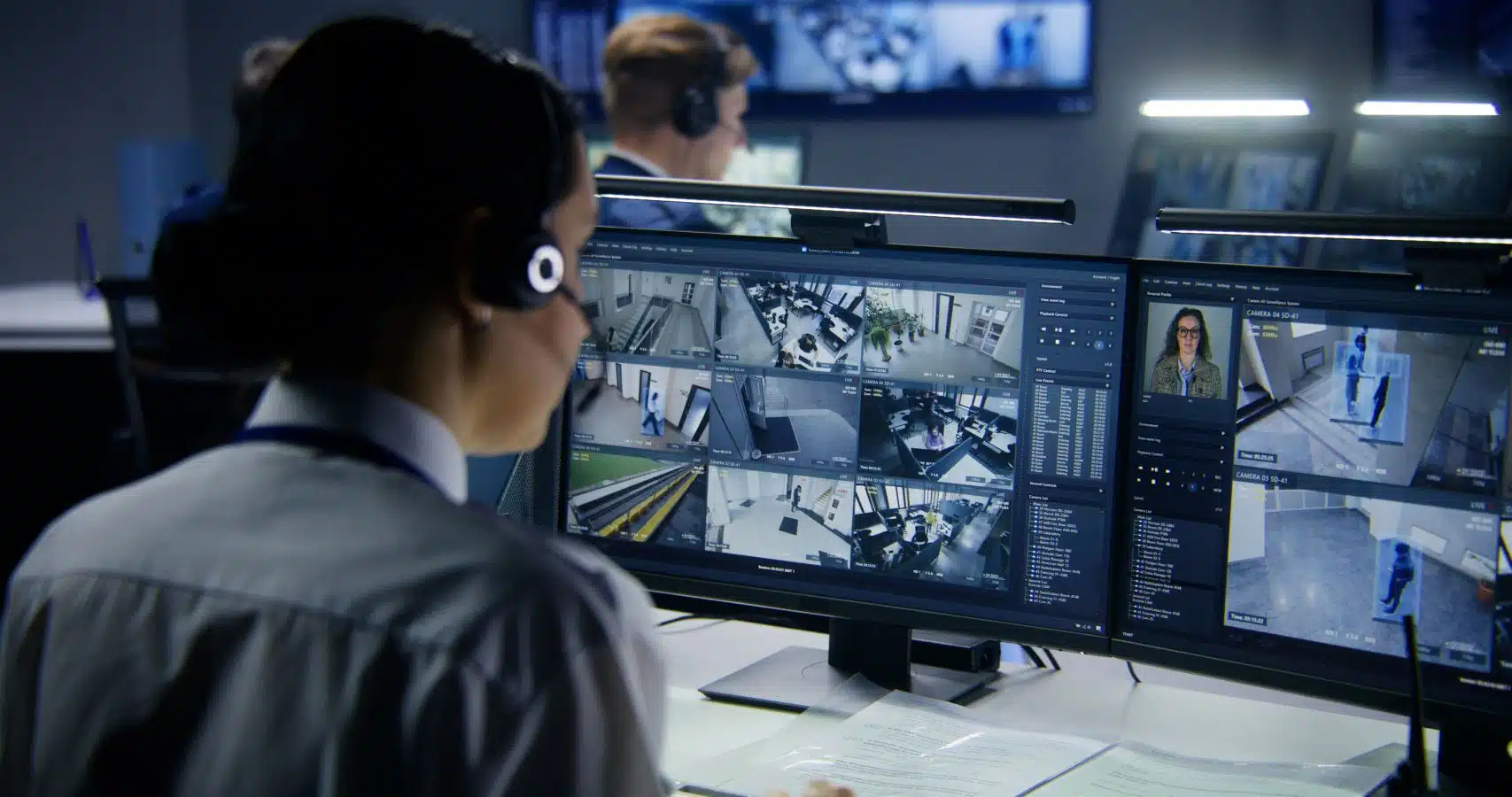
Remote video monitoring combines security cameras, AI-powered analytics, and trained monitoring professionals to detect, verify, and respond to suspicious activity in real time. Instead of simply recording footage for later review, remote video monitoring actively identifies potential threats, determines whether intervention is needed, and initiates an appropriate response while an incident is still unfolding.
Key Takeaways
- Remote video monitoring combines surveillance cameras, AI, and live operators into a proactive security solution.
- AI continuously analyzes video feeds to identify potential security events.
- Trained monitoring professionals verify alerts before taking action.
- Depending on the situation, operators can issue live audio warnings, notify site contacts, or contact law enforcement.
- Remote video monitoring can often integrate with existing commercial security camera systems.
Table of Contents
- What is remote video monitoring?
- How does remote video monitoring work?
- What role does AI play?
- What happens when suspicious activity is detected?
- What types of incidents can remote video monitoring detect?
- Does someone watch the cameras all the time?
- Is remote video monitoring right for your business?
- Frequently asked questions
- Bottom line
What Is Remote Video Monitoring?
Remote video monitoring is a managed security service where surveillance cameras are monitored remotely using AI-powered analytics and trained security professionals.
Unlike traditional CCTV systems that simply record video, remote monitoring is designed to identify potential threats as they occur and enable immediate action when appropriate.
A typical remote video monitoring solution includes:
- Commercial security cameras
- AI video analytics
- Secure network connectivity
- A professional monitoring center
- Trained monitoring operators
- Defined response procedures
Together, these components create a security solution that can help businesses move from reactive investigations to proactive incident prevention.
Why Doesn’t Someone Simply Watch Every Camera?
A common misconception is that remote video monitoring means a person watches every camera feed around the clock.
That isn’t how modern systems operate.
Large commercial properties may have dozens, or even hundreds, of cameras. Continuously watching every video feed would be inefficient and increase the likelihood of important events being missed.
Instead, remote video monitoring combines artificial intelligence with human expertise.
AI continuously analyzes camera feeds, while trained operators focus on investigating verified alerts that require attention.
This allows monitoring teams to respond quickly without requiring someone to stare at every screen all day.
How Does Remote Video Monitoring Work?
Remote video monitoring follows a simple but highly structured process that combines automation with human decision-making.
Step 1: Cameras Monitor the Property
Security cameras provide continuous visibility across important areas, such as:
- Building entrances
- Parking lots
- Loading docks
- Perimeter fencing
- Outdoor storage
- Common areas
These cameras transmit video securely to the monitoring platform.
Step 2: AI Analyzes Activity
Rather than waiting for someone to notice suspicious behavior, AI continuously evaluates video feeds for predefined events.
Examples include:
- Unauthorized entry
- Loitering
- Perimeter breaches
- After-hours movement
- Suspicious vehicle activity
- Restricted area access
When unusual activity is detected, the system generates an alert for review.
Step 3: Monitoring Professionals Verify the Alert
Not every alert represents a security threat.
A trained monitoring professional quickly reviews the video to determine whether the activity is:
- Normal business operations
- Authorized personnel
- Environmental activity
- A legitimate security concern
This verification process helps reduce false alarms while ensuring genuine threats receive immediate attention.
Step 4: Operators Take Appropriate Action
If suspicious activity is confirmed, operators follow predefined response procedures.
Depending on the situation, this may include:
- Issuing a live audio warning
- Notifying designated site personnel
- Contacting law enforcement
- Documenting the incident
- Continuing to monitor the situation until it is resolved
Because operators assess the situation before responding, businesses receive a more informed and efficient response than systems that rely solely on automated alarms.
Step 5: The Incident Is Documented
Once the event has concluded, businesses typically receive documentation that may include:
- Incident summaries
- Video clips
- Time-stamped records
- Response actions
- Reporting for future review
These records can support investigations, operational improvements, insurance claims, and security planning.
How Remote Video Monitoring Works
| Step | What Happens | Primary Goal |
| 1 | Cameras monitor the property | Continuous visibility |
| 2 | AI detects suspicious activity | Early identification |
| 3 | Operators verify the alert | Reduce false alarms |
| 4 | Response procedures begin | Real-time intervention |
| 5 | Incident is documented | Reporting and evidence |
What Role Does AI Play in Remote Video Monitoring?
Artificial intelligence acts as the first layer of detection, not the final decision-maker.
AI helps identify activity that may require attention, but trained monitoring professionals determine whether intervention is necessary.
Depending on the solution, AI may detect:
- People entering restricted areas
- Vehicles crossing virtual boundaries
- Individuals loitering
- Movement during scheduled closed hours
- Objects left behind
- Activity patterns that match predefined security rules
This combination of AI and human verification improves efficiency while helping reduce unnecessary responses.
Key Insight
AI identifies potential threats. People determine how to respond.
What Happens When Suspicious Activity Is Detected?
Every organization establishes response procedures based on its operations and risk profile.
For example:
A person enters a construction site after hours.
The system detects the activity.
A monitoring professional reviews the alert.
The individual is determined to be unauthorized.
The operator issues a live audio warning.
If the individual leaves, the event may simply be documented.
If the activity continues or escalates, site contacts or law enforcement may be notified according to the agreed response plan.
Because each business defines its own escalation procedures, responses are tailored to the property’s operational needs.
What Types of Incidents Can Remote Video Monitoring Detect?
Remote video monitoring can support the detection of many common commercial security concerns, including:
- Trespassing
- Vandalism
- Theft
- Unauthorized vehicle access
- Perimeter breaches
- After-hours activity
- Suspicious loitering
- Restricted area access
The specific capabilities depend on camera placement, system configuration, AI analytics, and the monitoring strategy used.
Is Someone Watching the Cameras 24/7?
Not in the traditional sense.
Modern remote video monitoring is event-driven rather than screen-driven.
AI continuously monitors every connected camera.
Operators focus on verified alerts that require human judgment.
This approach allows monitoring centers to oversee large numbers of cameras efficiently while providing timely responses to meaningful events.
Is Remote Video Monitoring Right for Your Business?
Remote video monitoring is particularly valuable for organizations that:
- Need after-hours security
- Protect valuable outdoor assets
- Operate multiple facilities
- Manage remote or unmanned locations
- Experience recurring trespassing or theft
- Want proactive security instead of passive recording
Common industries include:
- Construction
- Transportation and logistics
- Automotive dealerships
- Retail
- Commercial real estate
- Multifamily housing
- Energy and utilities
- Manufacturing
Frequently Asked Questions
Does remote video monitoring require new cameras?
Not always. Many providers can integrate with existing commercial security cameras if they meet compatibility requirements.
Can operators speak to people on my property?
Yes. Many remote video monitoring solutions include live audio capabilities that allow operators to communicate directly with individuals on-site when appropriate.
What happens if the internet goes down?
Business continuity depends on the system’s design. Many commercial deployments include redundant network connections, backup power, or failover options to help maintain monitoring capabilities.
Can remote video monitoring replace security guards?
In some environments, remote monitoring can reduce the need for routine patrols or supplement existing guard programs. Many organizations choose a hybrid security strategy that combines technology with on-site personnel.
How quickly are alerts reviewed?
Verified monitoring centers are designed to review alerts as they occur and follow established response procedures without unnecessary delay.
Bottom Line
Remote video monitoring is more than watching security cameras from another location. It is a proactive security process that combines AI-powered detection, trained monitoring professionals, and real-time response procedures to identify, verify, and address potential threats before they escalate. By shifting security from passive recording to active intervention, businesses gain greater visibility, faster decision-making, and a more effective way to protect people, property, and operations.