



Security incidents are usually described by their outcomes.
Equipment was stolen. A building was damaged. Someone entered a restricted area. A vehicle was broken into. An alarm activated after hours.
By the time the story is told that way, the outcome has already been determined.
But many incidents don’t begin with a loss.
They begin with activity.
A person approaches a closed property. A vehicle enters a parking lot after hours. Someone crosses a perimeter. An individual spends an unusual amount of time near equipment or an entrance.
None of those moments automatically means a crime is taking place. But they can create something valuable: an opportunity to understand what’s happening before the situation progresses.
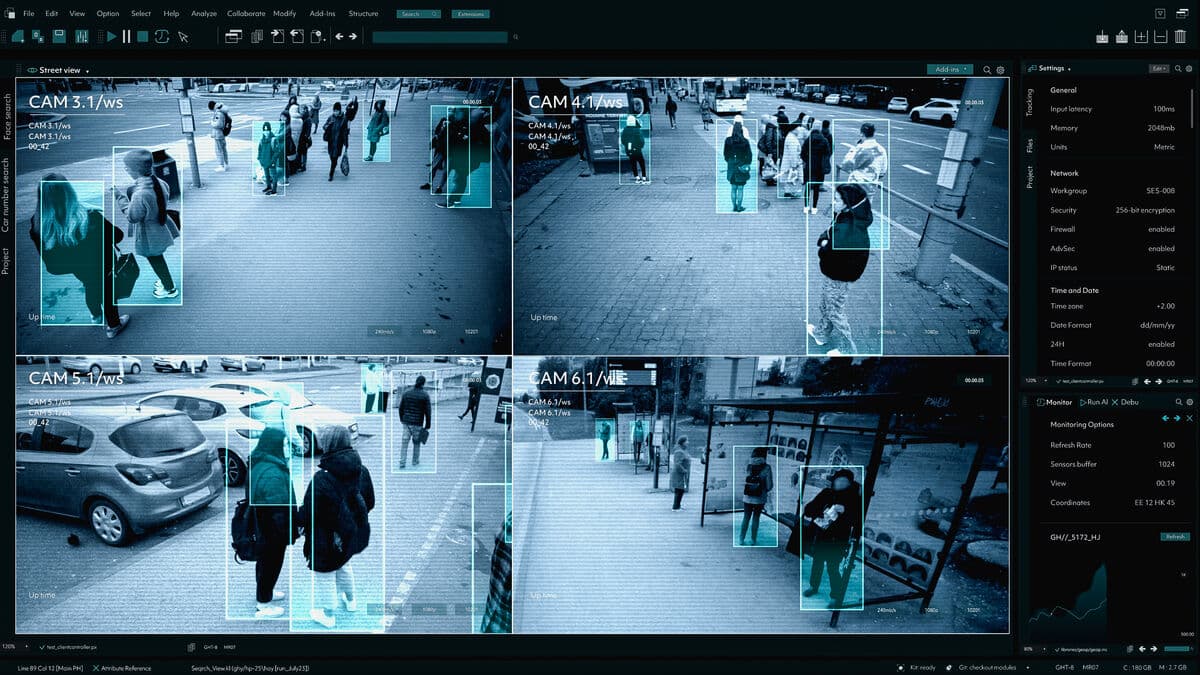
That’s where real-time video monitoring changes the role of surveillance.
The objective isn’t simply to capture better footage of an incident. It’s to identify relevant activity, determine what it means, and begin an appropriate response while there may still be time to influence what happens next.
Security Doesn’t Have to Start After Something Goes Wrong
Consider how many traditional security processes begin.
An alarm sounds after a door opens.
An employee discovers missing equipment the next morning.
A property manager finds damage during a routine walkthrough.
Someone receives a camera notification and checks it when they’re available.
In each case, the security process begins after an event has reached a certain point.
Video creates an opportunity to move that starting point earlier.
A camera may capture someone approaching the door before they enter. It may see the vehicle arriving before anyone reaches the building. It may capture a person crossing the property before they reach the equipment they’re interested in.
The earlier relevant activity is recognized, the more options the security program may still have.
That’s the fundamental value of a real time video monitoring service.
It moves attention toward the developing event rather than waiting exclusively for the outcome.
The Intervention Window
There is often a period between normal operations and a completed incident.
Think of it as an intervention window:
Normal Activity → Unusual Activity → Verified Concern → Intervention → Potential Incident or Loss
The size of that window varies.
Sometimes an event unfolds over several minutes. Other times it happens very quickly. And not every unusual behavior will progress into a security incident at all.
The important point is that the outcome may not be known when the first meaningful activity appears.
Traditional recorded surveillance can provide valuable evidence across that entire sequence.
Real-time video monitoring systems add the ability to recognize and evaluate activity while the sequence is still unfolding.
If someone is approaching a restricted area, there may be an opportunity to intervene before they enter.
If a suspicious vehicle stops near protected equipment, there may be an opportunity to understand why it’s there before something is taken.
If someone crosses a perimeter after hours, the security response can potentially begin before they reach the building.
That doesn’t guarantee the event will be prevented.
It creates an earlier opportunity to do something about it.
What Makes Video Monitoring Actually Real-Time?
A live camera feed alone doesn’t make a security program real-time.
The entire process matters.
A useful real time video monitoring system needs to move an event through several stages efficiently:
Detection → Review → Verification → Decision → Response
First, activity has to be detected.
Modern analytics can help identify defined events, such as people or vehicles entering areas where they aren’t expected, and surface those moments for attention.
Then someone has to understand what the technology found.
A trained monitoring professional can review the activity and evaluate it against the property’s operating conditions and established security procedures.
Is the person authorized?
Is the vehicle expected?
Is this normal activity occurring at an unusual time?
Does the situation warrant continued observation or immediate action?
Once that determination is made, the appropriate response procedure can begin.
Each stage matters because unnecessary delay reduces the intervention window.
But speed alone isn’t the objective.
The goal is to move from activity to an informed decision while that decision can still matter.
Real-Time Doesn’t Mean Treating Every Event Like an Emergency
A person appears on camera.
What should happen?
Without context, there’s no responsible answer to that question.
The person may be an employee. A contractor. A delivery driver. Someone who entered the wrong area. Or someone whose activity genuinely requires intervention.
The same is true of vehicles.
A truck arriving at 11 p.m. might be suspicious at one property and completely routine at another.
That’s why effective live security monitoring requires more than detecting activity quickly.
It requires judgment.
Analytics can help narrow enormous amounts of video into events that warrant review. Trained monitoring professionals can then evaluate those events within the context of the property and its response protocols.
That distinction matters because the fastest possible response isn’t automatically the right response.
Real-time monitoring creates an opportunity to make the right decision sooner.
What Can Happen Inside the Intervention Window?
Once activity has been reviewed and determined to require attention, the response depends on the situation and the procedures established for the property.
Sometimes the appropriate action is continued observation.
Monitoring professionals can maintain visibility as an event develops and gather additional context before escalation.
In other situations, live audio capabilities can allow an audible warning to be issued to someone on the property. Making an individual aware that they have been detected can create an opportunity to interrupt activity before it progresses further.
Other events may require contacting designated personnel or escalating verified activity to law enforcement according to established procedures.
The appropriate action will vary by property and event.
That’s the point.
Real-time monitoring isn’t valuable because every detection triggers the same response.
It’s valuable because an event can be identified and evaluated early enough for the security program to choose among the response options that are still available.
As an incident progresses, those options can narrow.
Where Alarm Video Monitoring Fits
Alarms remain an important part of many commercial security programs.
But an alarm is fundamentally a signal.
Something triggered a sensor.
Video can help provide context around that signal.
With alarm video monitoring, monitoring professionals may be able to review associated video and better understand what caused an alarm before determining what happens next.
Did a person enter the area?
Is there visible activity around the property?
Does the situation appear to require escalation?
Video verification can add information to what would otherwise be an alarm event without visual context.
The same principle applies beyond conventional alarms.
Whether an event begins with a sensor, video analytics, or another detection method, the value comes from moving efficiently from signal to understanding to action.
How Can Remote Camera Monitoring Be Real-Time?
The terms “remote” and “real-time” can sound contradictory.
If the person watching isn’t onsite, how can the response be immediate enough to matter?
Physical location isn’t necessarily what determines the speed of the security process.
Consider a manager responsible for a property who lives 30 minutes away.
A camera alert reaches their phone at 2 a.m. They wake up, open the notification, review the footage, try to determine what’s happening, and decide whom to call.
They may have access to live video.
But the process still depends on their availability.
With remote camera monitoring, trained professionals can be responsible for reviewing relevant events as part of the security service rather than placing that responsibility on someone whose primary job is running the business.
The monitoring professional doesn’t need to be physically standing beside the camera to understand what it is showing.
What matters is how quickly relevant activity can move through detection, verification, decision, and response.
Remote describes where monitoring occurs.
Real-time describes when the security process begins.
The two can work together.
Not Every Incident Can Be Prevented
Real-time monitoring should not be treated as a guarantee that every incident will be stopped.
Some events happen too quickly for intervention.
Some individuals may ignore audible warnings.
Some situations require a physical response that a remote monitoring professional cannot provide.
And sometimes the first detectable activity is already part of an incident underway.
Those limitations don’t eliminate the value of earlier awareness.
Even when an event cannot be prevented entirely, identifying it sooner can support faster escalation, provide better information about what’s occurring, help responders understand the situation, or preserve a clearer record of how the event developed.
The advantage of real-time monitoring is therefore not certainty.
It’s opportunity.
The earlier the security program understands what’s happening, the greater the chance that useful response options remain available.
The Real Value of Real-Time Is Having Options
A security camera can capture the beginning, middle, and end of an event.
What changes with real-time monitoring is when people become involved in that sequence.
If the security process begins after a loss is discovered, the available options are largely retrospective.
Review the footage.
Document the incident.
File a report.
Support an investigation.
Those functions remain valuable, and monitored video can support them too.
But when the security process begins earlier, additional possibilities emerge.
Observe.
Verify.
Warn.
Notify.
Escalate.
Those actions occur while the outcome may still be developing.
That’s why businesses evaluating real-time video monitoring should look beyond whether a provider can show them live video.
The more important question is what happens when that video shows something that matters.
How Much Time Does Your Current Security System Give You?
When something unusual happens at your property, consider when your security process actually begins. Is it when activity first appears, when an alarm activates, when someone checks a notification, or when the damage is discovered?
Build a Stronger Security Strategy

Download Security Guides
Practical ebooks to help you strengthen your security and solve your challenges.

Discover Industry Security Solutions
See how ECAM protects your industry with solutions designed to deter crime, reduce losses, and keep operations moving.