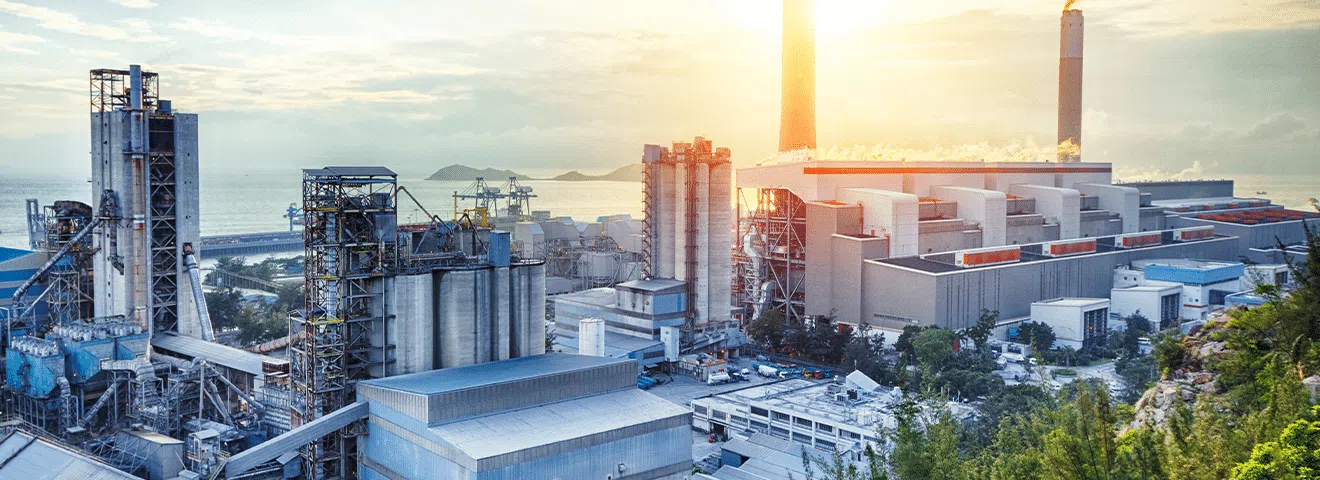



Energy infrastructure, such as substations and facilities, faces increasing threats of human-driven physical attacks. To protect these critical assets, comprehensive and proactive security strategies are essential. These strategies must include protective measures for onsite staff and advanced systems for threat deterrence and response. The stability of a nation’s energy infrastructure is paramount not only for the seamless function of daily life but also for economic vitality and public safety. Yet, this infrastructure is constantly under siege from various human-driven physical threats ranging from terrorism and vandalism to cyberattacks and insider threats. Recognizing and understanding these threats is the first step in fortifying our energy systems.
Key Threats to Energy Infrastructure:
- Terrorism: Both organized terrorist groups and lone extremists pose significant risks. Their attacks can be physical, such as bombings, or digital, aiming to cause widespread disruption and fear.
- Sabotage and Vandalism: Acts of intentional destruction, like equipment tampering or transmission line cutting, can have outsized impacts on energy reliability.
- Cyberattacks: Both independent cybercriminals and state-sponsored actors target control systems to cause operational disruptions, equipment failures, or complete shutdowns.
- Industrial Espionage: Competitors or foreign entities might seek sensitive information for strategic or economic gains.
- Insider Threats: Employees or contractors might misuse their access, intentionally or accidentally causing significant damage.
- Protest and Activism: While often peaceful, some protests can escalate, leading to physical blockades or damage, impacting operations.
- Resource Gain Thefts: Beyond traditional vandalism, criminals often target energy sites for valuable materials, leading to operational and financial setbacks.
- Direct Physical Attacks: Immediate disruptions from shooting at infrastructure or arson cause instantaneous damage and long-term concerns.
- Drone Incursions: Unauthorized drones can collide with infrastructure, interfere with operations, or even deliver harmful payloads.
- Hostile State Actions: In geopolitical hotspots, energy infrastructure can become a target for adversarial states aiming to exert pressure or cause economic turmoil.
These multifaceted threats demand a comprehensive, layered approach to security, combining physical measures, technological solutions, personnel training, cybersecurity enhancements, and inter-agency cooperation. The U.S. Department of Energy (DOE) and the Department of Homeland Security Cybersecurity and Infrastructure Security Agency (CISA) advocate for such a holistic strategy.
Given the impracticality of constructing physical barriers around the 60,000-75,000 substations across the United States, technology becomes a crucial ally. Remote monitoring, advanced analytics, and cybersecurity measures are indispensable tools in this ongoing battle for energy security. As highlighted by the National Conference of State Legislatures (NCSL), efficient investments in energy security will require technological solutions and significant collaboration strategies.
The continuous evolution of threats, especially with the rise in lone-wolf or domestic terrorist attacks as seen in recent incidents in California and potential plots in Maryland and Ohio, underscores the urgency for dynamic security protocols. Energy facilities, while seemingly robust, are part of a fragile network that, when disrupted, has far-reaching consequences for every facet of society- a significant reason for potential attacks from those with extremist ideologies intent on creating unrest.
Protection for Onsite Staff:
- Personal Protective Equipment (PPE): Staff should have access to protective vests, body armor, helmets, and eye/ear protection.
- Communication Tools: Reliable mobile phones, two-way radios, and emergency notification systems are vital, especially for isolated facilities.
- Training and Emergency Preparedness: Regular drills, familiarity with security protocols, and emergency kits (including first aid and hazardous materials spill kits) are crucial.
- Backup Systems: Alternative power and communication systems, like generators and satellite phones, are necessary for network failures.
Proactive Security Measures:
- Risk Assessments: Routine evaluations identify specific vulnerabilities and help prioritize security investments.
- Access Control: Strict procedures for personnel and visitor access, along with detailed activity records, are critical.
- Staff Training: Comprehensive programs should educate staff on recognizing and reporting suspicious activities.
- System Redundancy: Well-maintained backup systems ensure ongoing energy supply during primary system failures.
- Advanced Surveillance: High-resolution cameras and live remote monitoring significantly deter potential attacks and reduce response times.
The security of energy infrastructure is imperative to ensure reliable energy supply and delivery. Robust security measures are essential, whether mandated by regulations or not, to protect facilities and personnel as well as maintain operations. A proactive security approach should incorporate systems to identify vulnerabilities, deter potential attacks, and enable continuity of operations if incidents occur. With the evolving risk landscape, it is paramount that security be regularly assessed and adapted accordingly.
Threats that were not present yesterday may emerge today, which is why safeguarding energy infrastructure is an ongoing, complex effort requiring a multilayered strategy. Hardening physical assets is important but not enough on its own. A culture of vigilance and preparedness at all levels, from field technicians to executives, is equally vital.
The resilience of our energy systems in an uncertain future depends on the priority we place on security today. A static, reactionary stance will leave gaps. But with proactive, sustained commitment to identify, assess and mitigate risks, the energy sector can continue supplying the services modern life depends on.
For an in-depth discussion on Energy Infrastructure and Human-Driven Physical Threats: How Proactive Security Measures Influence Outcomes, head to our Resource Center and download our White Paper on the subject.