
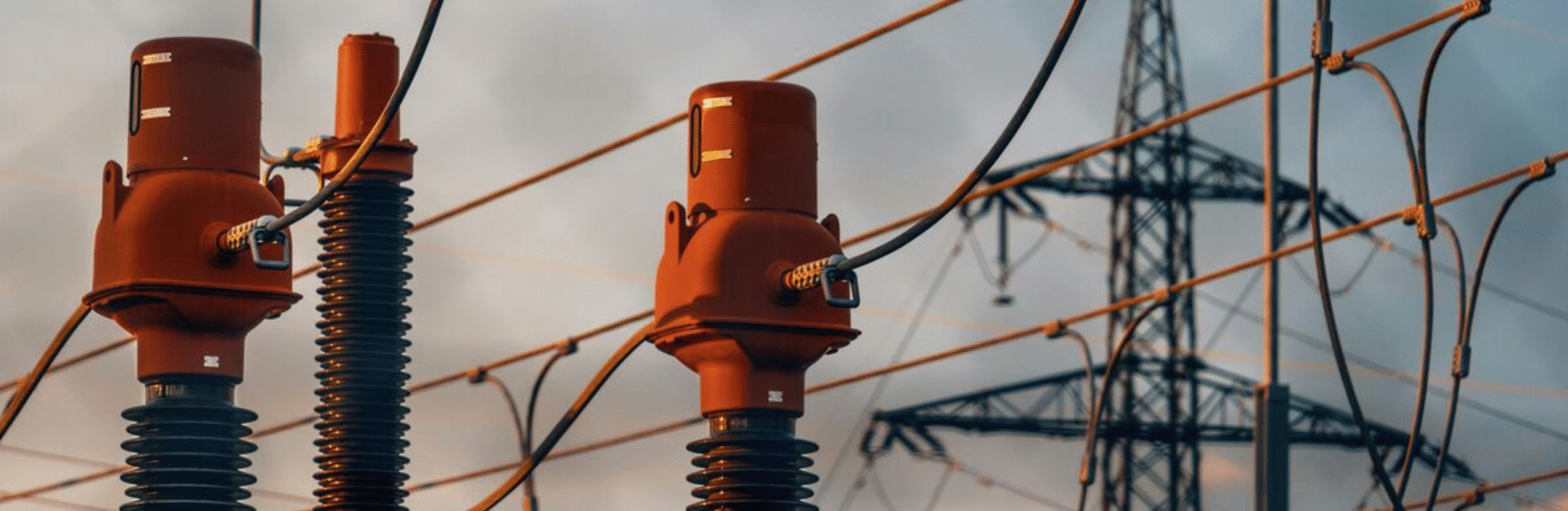



Energy infrastructure does not operate like traditional commercial properties. Substations, solar farms, storage facilities, and other energy sites are often located in remote areas with limited on-site personnel. While this supports operational efficiency, it creates unique security vulnerabilities.
Energy surveillance security must address the reality that many facilities are unmanned for long periods of time. Without the right monitoring approach, incidents can go undetected until damage, theft, or operational disruption has already occurred.
The security challenges facing energy facilities
Energy sites present a distinct combination of risks:
- Remote locations far from immediate law enforcement response
- Large perimeters that are difficult to secure physically
- Critical infrastructure that, if damaged, impacts broader communities
- Expensive equipment and materials vulnerable to theft
- Limited on-site staff outside of maintenance windows
Because many of these sites operate without constant personnel, traditional security models built around physical presence are often impractical.
Why recorded surveillance alone is not enough
Many operators deploy cameras as part of their energy surveillance security strategy. While cameras provide visibility, recorded footage does not actively prevent incidents.
In remote environments, relying on video review after an event presents serious limitations. By the time unauthorized access, vandalism, or equipment theft is discovered, the responsible parties may be long gone. Repair costs, downtime, and regulatory implications can follow.
Energy facilities require surveillance strategies that move beyond passive recording.
The role of energy remote video monitoring
Energy remote video monitoring introduces oversight without requiring additional on-site staff. Instead of simply capturing footage, trained operators monitor camera feeds in real time and respond to suspicious activity as it unfolds.
This approach allows operators to:
- Detect unauthorized entry at perimeter fencing
- Identify suspicious activity near high-value equipment
- Verify alarms before dispatching response
- Escalate confirmed incidents quickly
In remote environments where response times may already be extended, early detection becomes critical.
Supporting live response in critical infrastructure environments
Energy live video monitoring adds another layer of protection by enabling immediate awareness of developing situations. When suspicious behavior is identified, energy live video surveillance allows security teams to assess context and determine the appropriate response.
This may include:
- Real-time verification of trespassing
- Escalation to local authorities
- Coordination with internal security or operations teams
- Documentation for compliance and reporting
Because energy facilities are often considered critical infrastructure, rapid verification and escalation can reduce both operational risk and broader impact.
Addressing perimeter and equipment vulnerabilities
Large perimeters are common across energy properties. Solar farms, substations, and storage yards may span wide geographic areas, making them difficult to secure using traditional methods alone.
Energy remote video surveillance helps close these gaps by maintaining visibility across entry points, fencing, and high-risk zones without requiring constant physical patrols. Combined with live monitoring, this visibility becomes actionable rather than reactive.
Where mobile surveillance units strengthen energy site protection
While permanent camera systems play an important role in energy surveillance security, not every site has the infrastructure to support fixed installations. Remote substations and distributed energy locations may lack reliable power, network connectivity, or mounting structures.
Mobile Surveillance Units provide a flexible way to extend coverage in these environments. Designed for self-contained operation, many mobile surveillance towers use solar power with optional generator backup and remote connectivity, allowing them to function independently in isolated areas.
For energy operators, this means:
- Rapid deployment at remote substations
- Coverage in areas where permanent infrastructure is limited or cost-prohibitive
- Elevated visibility across wide perimeters
- Integration with energy remote video monitoring programs
A mobile surveillance camera tower can be positioned to monitor high-risk zones such as transformer areas, fencing lines, or equipment storage points without requiring permanent construction.
When paired with mobile video security and live monitoring, these systems help energy providers strengthen site protection while maintaining operational flexibility.
A more resilient approach to protecting energy infrastructure
Remote and unmanned environments demand a higher level of awareness and response. Recorded cameras alone may document incidents, but they rarely stop them.
By combining energy remote video monitoring, energy live video surveillance, and strategically deployed mobile surveillance units, operators can strengthen protection across distributed sites, reduce response delays, and better safeguard critical infrastructure.
Strengthen security across your remote energy sites
Every energy facility operates under unique geographic and operational conditions. Identifying vulnerabilities at remote or unmanned sites is the first step toward building a more resilient surveillance strategy.
If you are evaluating energy surveillance security, remote video monitoring, or mobile surveillance units for substations and distributed infrastructure, our team can help assess the right approach for your sites.
Contact us to learn how ECAM supports energy operators with proactive video security solutions designed to protect critical infrastructure and reduce risk.
Build a Stronger Security Strategy

Download Security Guides
Practical ebooks to help you strengthen your security and solve your challenges.

Discover Industry Security Solutions
See how ECAM protects your industry with solutions designed to deter crime, reduce losses, and keep operations moving.